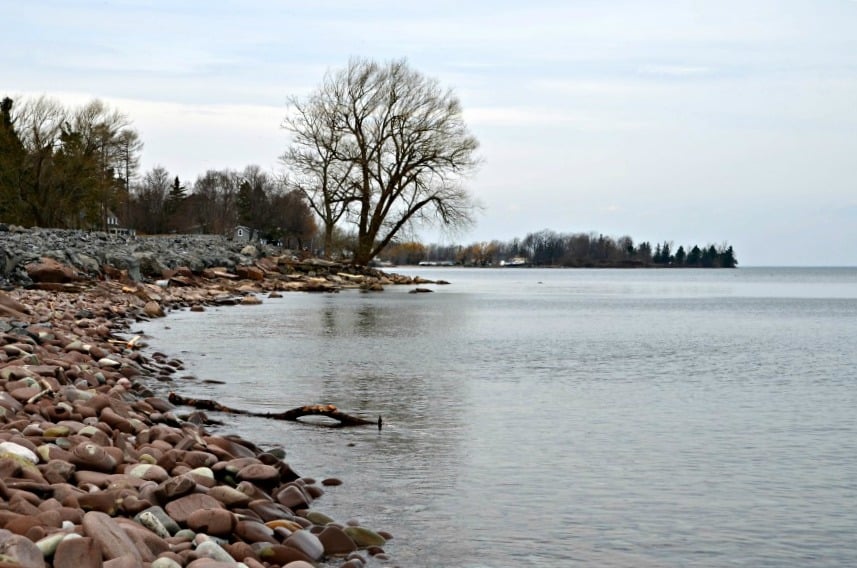
Best Fishing Spots for Beginners in the Finger Lakes

If you’ve ever thought about trying fishing but felt intimidated by where to start, the Finger Lakes region of New York might just be your perfect introduction to the sport. This stunning collection of glacial lakes offers something that’s surprisingly rare: world-class fishing that’s genuinely accessible to complete beginners. With over 7,500 lakes and ponds across New York State, the Finger Lakes stand out for their abundance of fish species, excellent public shore access, and—most importantly for newcomers—consistently high catch rates that’ll have you hooked from your very first cast.
Unlike many premier fishing destinations that require expensive boats or expert knowledge, the Finger Lakes welcome beginners with open arms. You’ll find multiple species actively feeding close to shore, well-maintained public access points with clear parking and facilities, and fish populations so healthy that even novice anglers regularly go home with stories worth telling. Whether you’re looking to catch your first rainbow trout, fill a cooler with delicious panfish, or simply enjoy a peaceful morning by the water, the Finger Lakes deliver an experience that builds confidence rather than frustration.
Skaneateles Lake: Rainbow Trout Paradise
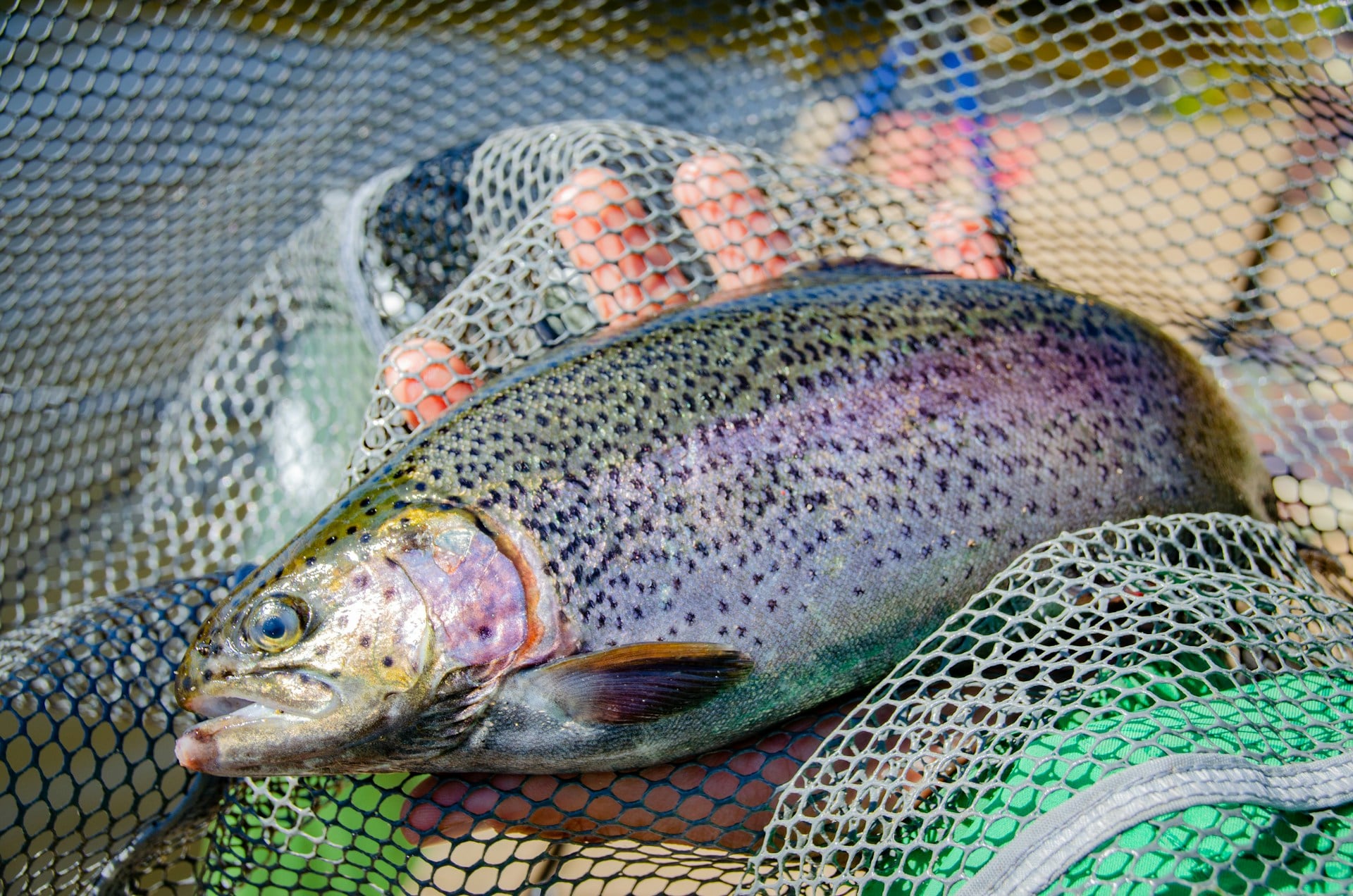
For absolute beginners, Skaneateles Lake deserves top billing as the best place to wet your first line. This beautiful lake, one of the clearest in the entire Finger Lakes chain, is widely considered the premier destination for rainbow trout—and rainbow trout happen to be the perfect species for learning the fundamentals of fishing.
Why are rainbows so beginner-friendly? They’re abundant, aggressive feeders that aren’t overly finicky about presentation. They fight hard enough to be exciting but aren’t so powerful that they’ll snap your line on the first run. Most importantly, they regularly swim close to shore in Skaneateles, meaning you don’t need a boat, expensive gear, or expert casting skills to reach them.
The eastern shore of Skaneateles offers excellent access, with Camp Lourdes being a particularly productive spot when the summer camp isn’t in session. Here’s where things get interesting: the lake’s unique thermal layers and food sources bring trout surprisingly close to shore, especially during spring and fall. While many fish species prefer deep water, Skaneateles rainbows patrol the shallows looking for food, putting them within easy casting distance of shore anglers.
Now, let’s talk about the secret weapon that local anglers swear by—the “marshmallow sandwich” rig. This simple setup has probably caught more Skaneateles rainbows than any other technique, and it’s perfect for beginners because it requires no special skills or expensive lures.
Here’s how to rig it: Take a size 2 or 4 hook (available at any local tackle shop) and thread a garden worm or nightcrawler onto the bend of the hook. Then, slide a single cocktail marshmallow onto the point of the hook. That’s it. The worm provides scent and natural appeal, while the marshmallow adds buoyancy and a visual target that trout find irresistible. Cast it out, let it settle, and wait for that telltale tug on your line.
This rig works because it suspends your bait just off the bottom where trout are actively feeding. The marshmallow keeps the worm visible and moving naturally in the current, while the scent trail attracts fish from a distance. Even if your casting technique needs work, this forgiving setup will still catch fish.
Cayuga Lake: Versatile Fishing for All Skills
Once you’ve gained some confidence at Skaneateles, Cayuga Lake offers the perfect next step in your fishing education. As one of the longest and second-deepest Finger Lakes, Cayuga provides incredible variety—brown trout, lake trout, rainbow trout, largemouth bass, smallmouth bass, and panfish all call these waters home.
The Cayuga Lake State Park Fishing Access Site, located on Route 89 approximately three miles east of Seneca Falls, serves as an ideal home base for beginners. This well-maintained facility features concrete boat ramps (if you decide to rent or borrow a boat), pumpout facilities, and—most importantly for shore anglers—excellent casting platforms and shoreline access.
What makes Cayuga special for developing anglers is the opportunity to target multiple species in a single outing. Start your morning casting for trout near the cooler, deeper areas. As the day warms up, switch to bass fishing along rocky shorelines or weed beds. Panfish like bluegill and sunfish are abundant in the shallows and provide non-stop action that’s perfect for honing your hook-setting technique.
The Cayuga-Seneca Canal also offers unique fishing opportunities. The lock areas create current breaks and structure that attract fish, and the public access along the canal means you can explore different spots until you find where the fish are biting. Local anglers often recommend the Mud Lock area on Cayuga for accessible shore fishing with good results.
Don’t be intimidated by Cayuga’s size. Stick to the public access areas, fish the shorelines, and remember that fish need the same things everywhere: food, oxygen, and cover. Look for points of land jutting into the lake, areas where streams enter, and rocky shorelines—these are fish magnets that consistently produce for beginners and experts alike.
Canandaigua Lake: Easy Access, Consistent Catches
Canandaigua Lake rounds out the beginner’s trifecta of Finger Lakes fishing destinations. While it might not have Skaneateles’ reputation for trophy rainbows or Cayuga’s sheer variety, Canandaigua offers something equally valuable to newcomers: consistency and accessibility.
This lake features numerous public access points scattered along its shores, meaning you’re never far from a good fishing spot. The rainbow trout population is healthy and catchable, and the panfish action can be absolutely phenomenal during summer months. For beginners still building their skills and confidence, knowing you can show up and catch somethingmatters more than chasing record-breaking fish.
Canandaigua’s shoreline structure is particularly beginner-friendly. You’ll find gradual drop-offs, accessible casting areas, and plenty of spots where you can set up a chair, relax, and enjoy the process of fishing rather than stressing about technique. The lake’s moderate size means you can explore different areas in a single day, learning to read water and understand where fish hold under different conditions.
Local tackle shops around Canandaigua are exceptionally welcoming to beginners. Don’t hesitate to stop in, explain that you’re new to fishing, and ask for advice on what’s working. Most shop owners are passionate anglers who genuinely want to help you succeed—and they’ll point you toward productive spots and effective techniques for current conditions.
Seasonal Timing: When to Fish for Success
Understanding seasonal patterns dramatically improves your chances of success, and the Finger Lakes offer excellent fishing across multiple seasons.
Spring (April-May): Trout season traditionally opens in early April, and this is prime time for rainbow trout throughout the Finger Lakes. Water temperatures are cool, trout are actively feeding after winter, and they’re often found in shallow water where beginners can easily reach them. Spring is arguably the best time to start your fishing journey—comfortable temperatures, hungry fish, and less crowded access points.
Summer (June-August): Bass season opens in mid-June, expanding your options considerably. Warm-water species like largemouth and smallmouth bass become active, and panfish provide consistent action throughout the day. Summer fishing can be slower during midday heat, so focus your efforts on early morning or evening when fish are most active. This is also when you’ll encounter the most other anglers, but don’t let crowds discourage you—there are plenty of fish to go around.
Fall (September-October): Many experienced anglers consider fall the absolute peak season for Finger Lakes fishing. Trout and salmon are actively feeding in preparation for winter, bass are aggressive before the cold sets in, and comfortable temperatures make for pleasant days on the water. Fall fishing often produces the best combination of numbers and size, making it an excellent time for beginners to experience what the Finger Lakes can really offer.
Winter: While ice fishing is popular on some Finger Lakes, it requires specialized knowledge and safety precautions that put it beyond the scope of a beginner’s guide. Focus on the other three seasons first, and consider ice fishing once you’ve built a solid foundation.
Essential Beginner Tips and Best Practices
Before you head out for your first Finger Lakes fishing adventure, here are the essentials every beginner needs to know:
Licensing: New York State requires a fishing license for anyone age 16 and older. You can purchase licenses online through the DEC website, at most sporting goods stores, or through the HuntFishNY mobile app. New York also offers occasional Free Fishing Days when licenses aren’t required—perfect opportunities to try fishing before committing to a full license.
The HuntFishNY App: Download this free app before your trip. It provides fishing regulations, identifies legal fishing spots, offers driving directions to boat launches and access points, and even includes a “Tackle Box” feature with species identification and fishing tips. It’s like having a local guide in your pocket.
Minimal Gear to Start: You don’t need to spend hundreds of dollars to start fishing. A basic spinning rod and reel combo ($30-50), a small tackle box with hooks, split-shot weights, and bobbers ($20), and some live bait from a local shop ($5) will get you on the water and catching fish. As you develop your skills and preferences, you can gradually expand your gear collection.
Basic Casting: Don’t overthink it. Hold the rod with your dominant hand, press the line against the rod with your index finger, open the bail (the wire arm on your reel), bring the rod back over your shoulder, and smoothly swing it forward while releasing the line. Practice in your yard before hitting the water—you’ll be surprised how quickly it becomes natural.
Handling Fish Safely: Wet your hands before touching fish to protect their protective slime coating. Support the fish’s body horizontally rather than squeezing or holding it vertically by the jaw. If you’re practicing catch-and-release (which helps maintain healthy fish populations), minimize the time the fish spends out of water and revive it gently in the water before releasing.
Catch-and-Release Best Practices: Use barbless hooks or pinch down the barbs with pliers for easier, less damaging hook removal. If a fish is deeply hooked, cut the line rather than trying to dig out the hook—fish can often survive and shed hooks on their own. Handle fish as little as possible, and never release fish into water significantly warmer or colder than where they were caught.
Check Regulations: Different lakes have different regulations regarding size limits, daily catch limits, and seasonal closures. The HuntFishNY app and the New York State Fishing Regulations Guide provide all this information. Following regulations isn’t just about avoiding fines—it’s about being a responsible angler who helps preserve these incredible fisheries for future generations.
Start Your Finger Lakes Fishing Adventure
The Finger Lakes region offers something truly special for beginning anglers: a genuine opportunity to succeed. You don’t need expensive equipment, expert knowledge, or insider connections. You just need a basic setup, a fishing license, and the willingness to spend a few hours by some of the most beautiful water in the Northeast.
Start with Skaneateles and that simple marshmallow sandwich rig. Feel the thrill of your first rainbow trout pulling line off your reel. Build your confidence at Cayuga, experimenting with different species and techniques. Enjoy the consistency and accessibility of Canandaigua as you develop your skills.
Remember, every expert angler started exactly where you are now—standing at the water’s edge, wondering if they’d actually catch anything. The Finger Lakes have been teaching people to fish for generations, and these waters are remarkably forgiving of beginner mistakes while still offering enough challenge to keep things interesting.
The fish are there. The access is available. The only thing missing is you. So grab a rod, head to the Finger Lakes, and discover why fishing has captivated people for thousands of years. Your first catch is waiting.