Wisdom from the Flock: Old Chicken Sayings and What They Mean
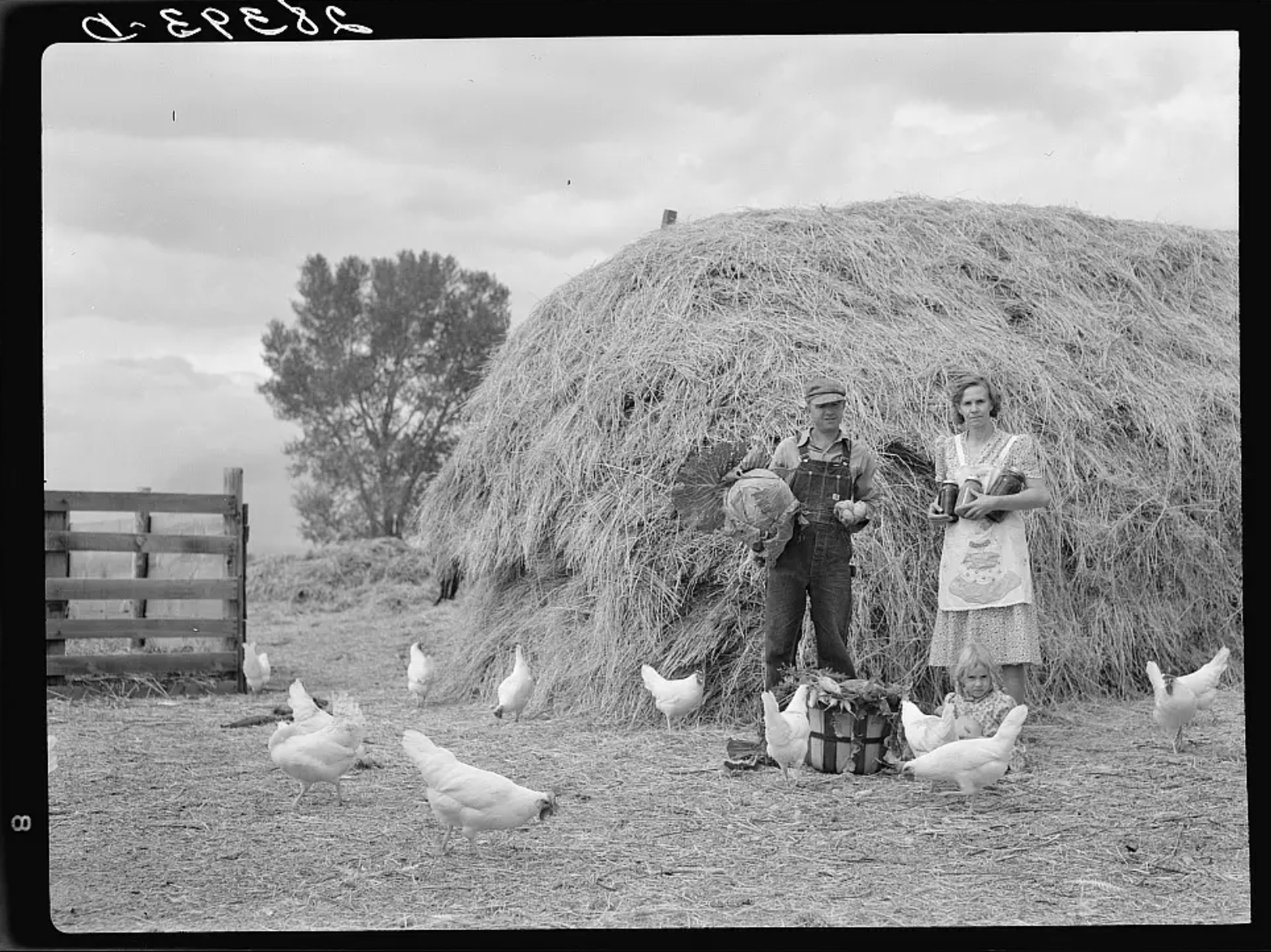
There was a time—not all that long ago, really—when nearly every family had a flock. Whether you lived on a working farm or just kept a small coop out back, chickens were part of the daily rhythm of life. You fed them in the morning, collected their eggs, shooed them out of the garden, and locked them up safe at night. And somewhere in all that ordinary, everyday interaction, our ancestors developed a whole vocabulary drawn straight from the henhouse.
These weren’t just quaint country expressions. They were observations—sharp, funny, and often brutally honest—about how the world actually works. Because if you spend enough time with chickens, you start to notice things. You see patterns in their behavior that mirror human nature in surprisingly accurate ways. You witness little dramas of hierarchy, consequence, and survival that teach you something real about life.
The remarkable thing is how many of these old chicken sayings are still with us today, woven so deeply into our language that most people use them without ever thinking about where they came from. We talk about “pecking orders” in the office and people “flying the coop” without ever having set foot in a barnyard. But each of these expressions has roots—real, dirt-under-your-fingernails, feathers-in-your-hair roots—in the practical wisdom of farm life.
So let’s take a walk back to the coop and rediscover what our grandparents and great-grandparents knew instinctively: that chickens, for all their seeming silliness, have quite a bit to teach us about how life really works.
Chickens Come Home to Roost
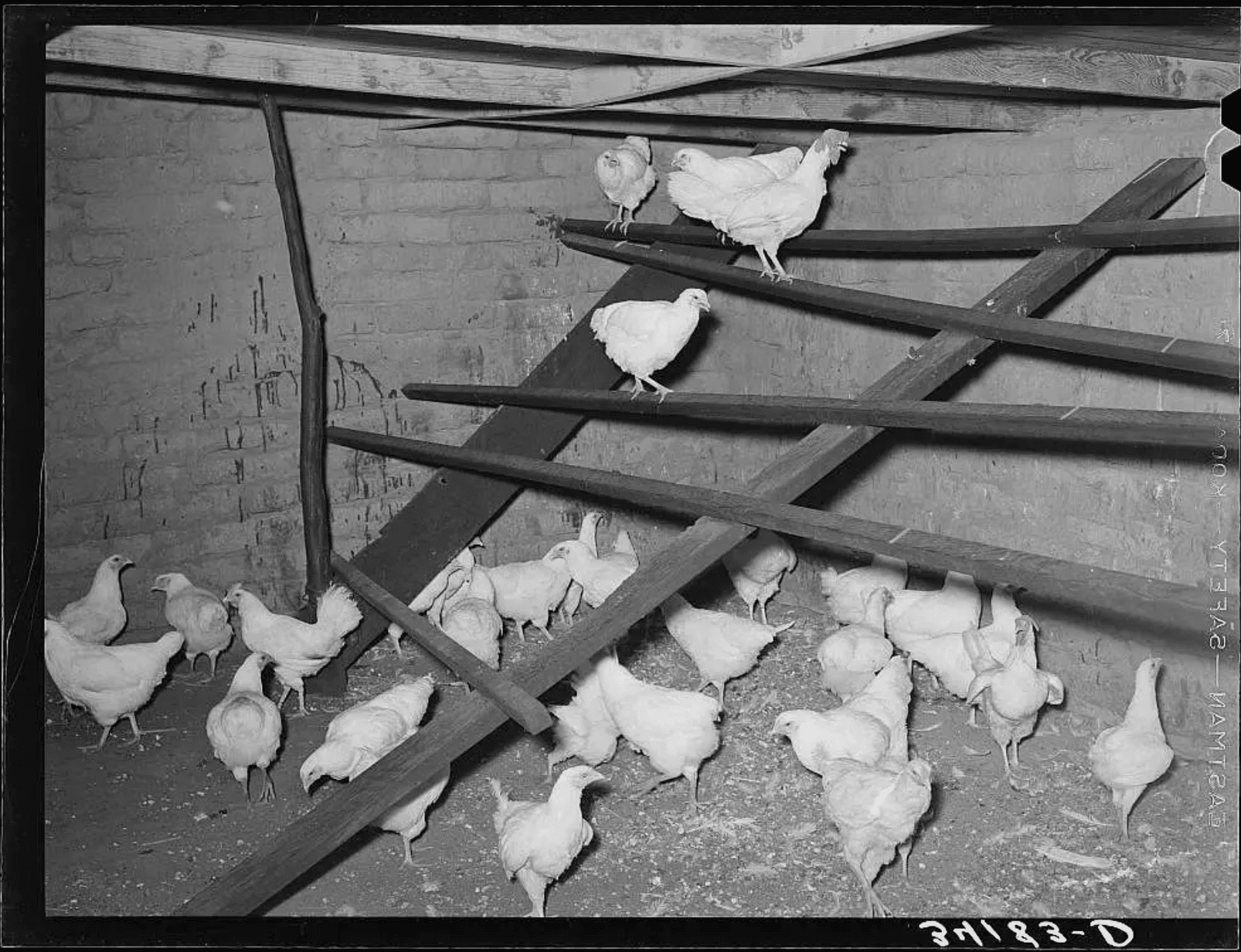
What it means: Your past mistakes or bad actions will eventually catch up with you. You can’t escape the consequences of what you’ve done—sooner or later, you’ll have to face them.
If you’ve ever kept chickens, you know this isn’t just a metaphor—it’s a daily reality you can set your watch by. No matter how far your birds wander during the day, no matter how tempting the bugs are in the far corner of the property or how lush the grass is down by the fence line, when dusk starts to fall, they come home. Every single one of them.
It’s instinct, pure and simple. As the light fades, something deep in their bird brains tells them that safety is back in the coop, up on those roosts, tucked in together for the night. You’ll see them start to drift back in twos and threes, then in a steady stream, until the whole flock has returned to where they started. They can’t help it. They have to come home.
Our ancestors saw this happen every single evening, and they recognized the truth in it: what you send out into the world has a way of circling back. The consequences of your actions, like those free-ranging hens, might wander far and wide for a while. You might think you’ve gotten away with something. But when the day draws to a close, everything returns to where it belongs. The chickens come home to roost, and so do your choices—good or bad.
It’s a patient kind of justice, this saying. Not immediate, not flashy, but as reliable as sunset.
No Spring Chicken
What it means: Someone who is past their youth; no longer young and spry.
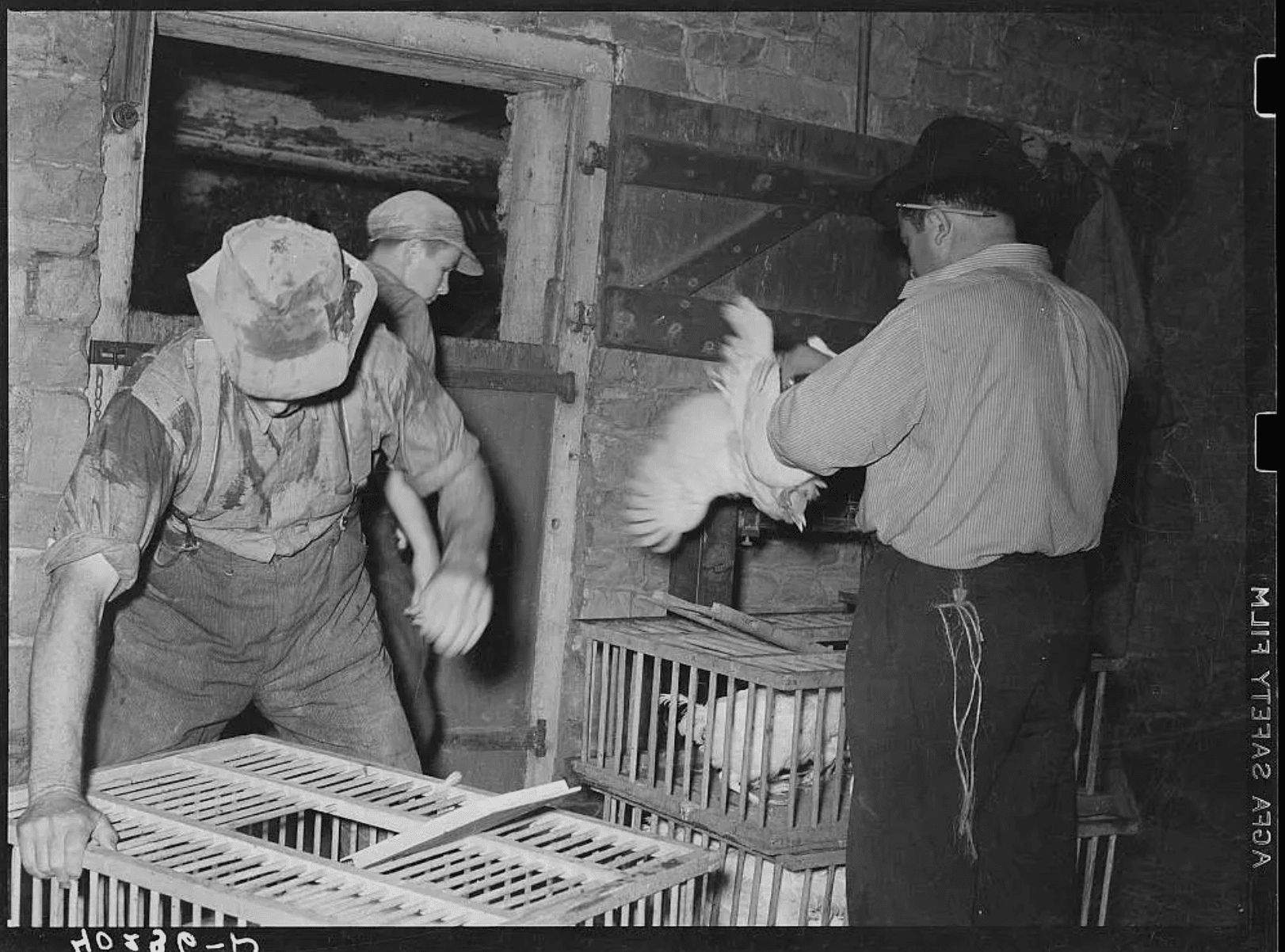
This one takes us straight to the farm kitchen and the hard economics of rural life. In the days before grocery stores and shrink-wrapped meat, families raised their own chickens for the table, and timing mattered enormously.
“Spring chickens” were the young birds hatched in early spring and ready for butchering by late spring or early summer. At just a few months old, they were tender, delicate, and perfect for frying. Their meat was prized—sweet and succulent, the kind that would make your mouth water just thinking about Sunday dinner. These were the birds you’d serve to company, the ones that showed off your skills as both a farmer and a cook.
But if you missed that window—if a bird made it through the summer and into fall and winter—well, that was a different story entirely. Older chickens became tough and sinewy. Their meat required long, slow cooking to become even remotely palatable. These were your stew birds, your soup chickens. Still useful, certainly, but nobody was going to mistake them for their younger, tenderer cousins.
So when someone says you’re “no spring chicken,” they’re drawing on generations of farm kitchen wisdom: you’re past your prime, a little tougher than you used to be, and you require a different approach than you did in your youth. It’s not necessarily an insult—those old stew hens still had plenty to offer, after all. But it’s definitely honest.
Pecking Order

What it means: The social hierarchy within any group; who’s in charge, who’s subordinate, and where everyone ranks in between.
Here’s a fun fact: this term was actually coined by a Norwegian zoologist named Thorleif Schjelderup-Ebbe in the 1920s. He spent hours observing chickens and documenting their social behavior, and he was the first to formally describe what every farm kid already knew from experience: chickens have a strict, often brutal hierarchy.
In any flock, there’s a clear chain of command. The top hen (or rooster) can peck anyone below her without retaliation. The second-in-command can peck everyone except the boss. And so on, all the way down to the poor bird at the bottom who gets pecked by everyone and can’t peck back at anyone.
Anyone who has ever tried to introduce new chickens to an existing flock has witnessed this pecking order in action, and it’s not pretty. There’s chasing, there’s actual pecking (sometimes drawing blood), there’s blocking access to food and water. The established birds make it crystal clear where the newcomers rank, and they don’t do it gently. It can take weeks for things to settle down and for the new birds to find their place in the hierarchy.
What makes this saying so enduring is how perfectly it translates to human social structures. Every workplace has its pecking order. Every friend group, every family, every organization. We like to think we’re more civilized than chickens, but spend an hour in any office and you’ll see the same dynamics playing out—just usually with less literal pecking and more passive-aggressive emails.
Chicken Feed
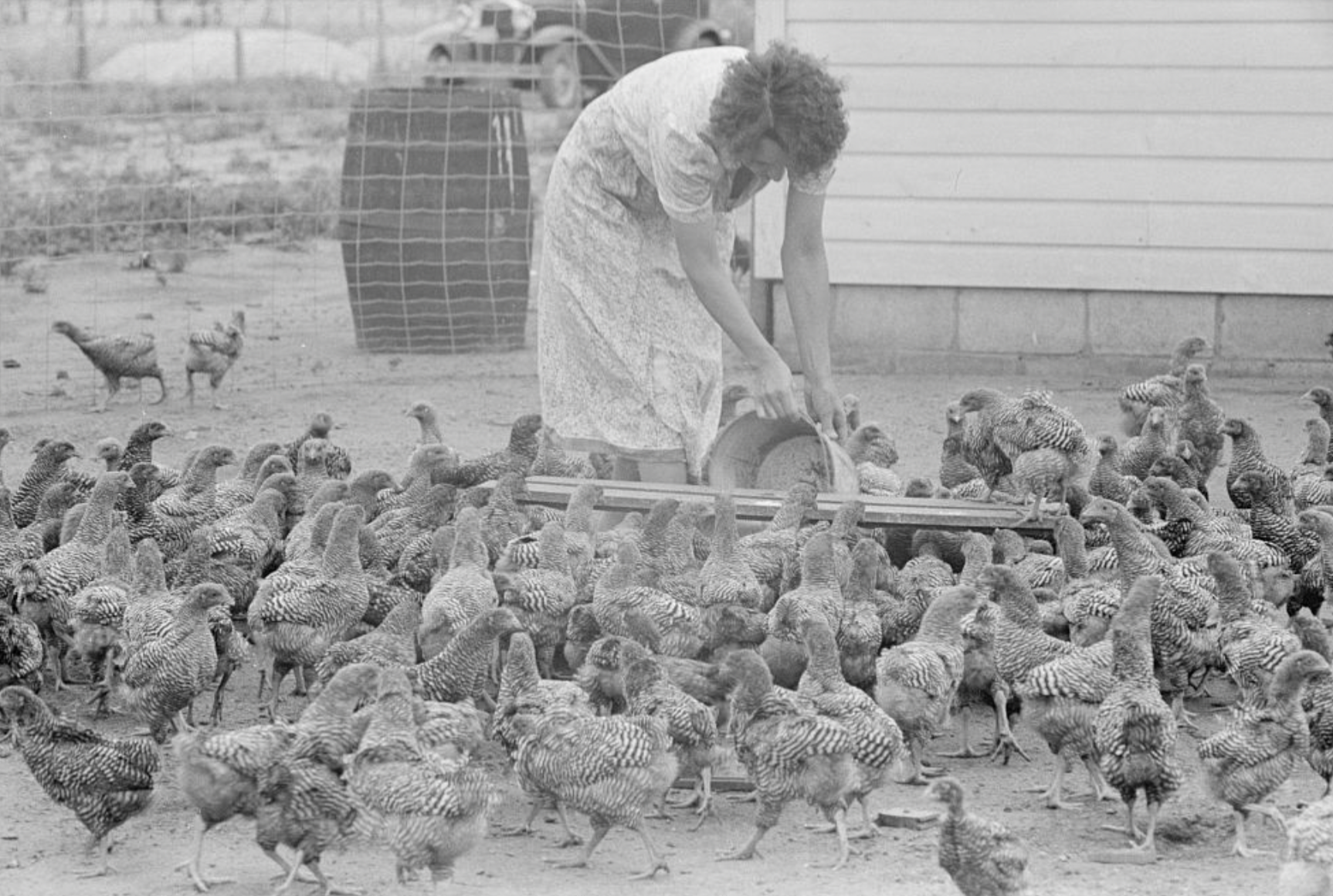
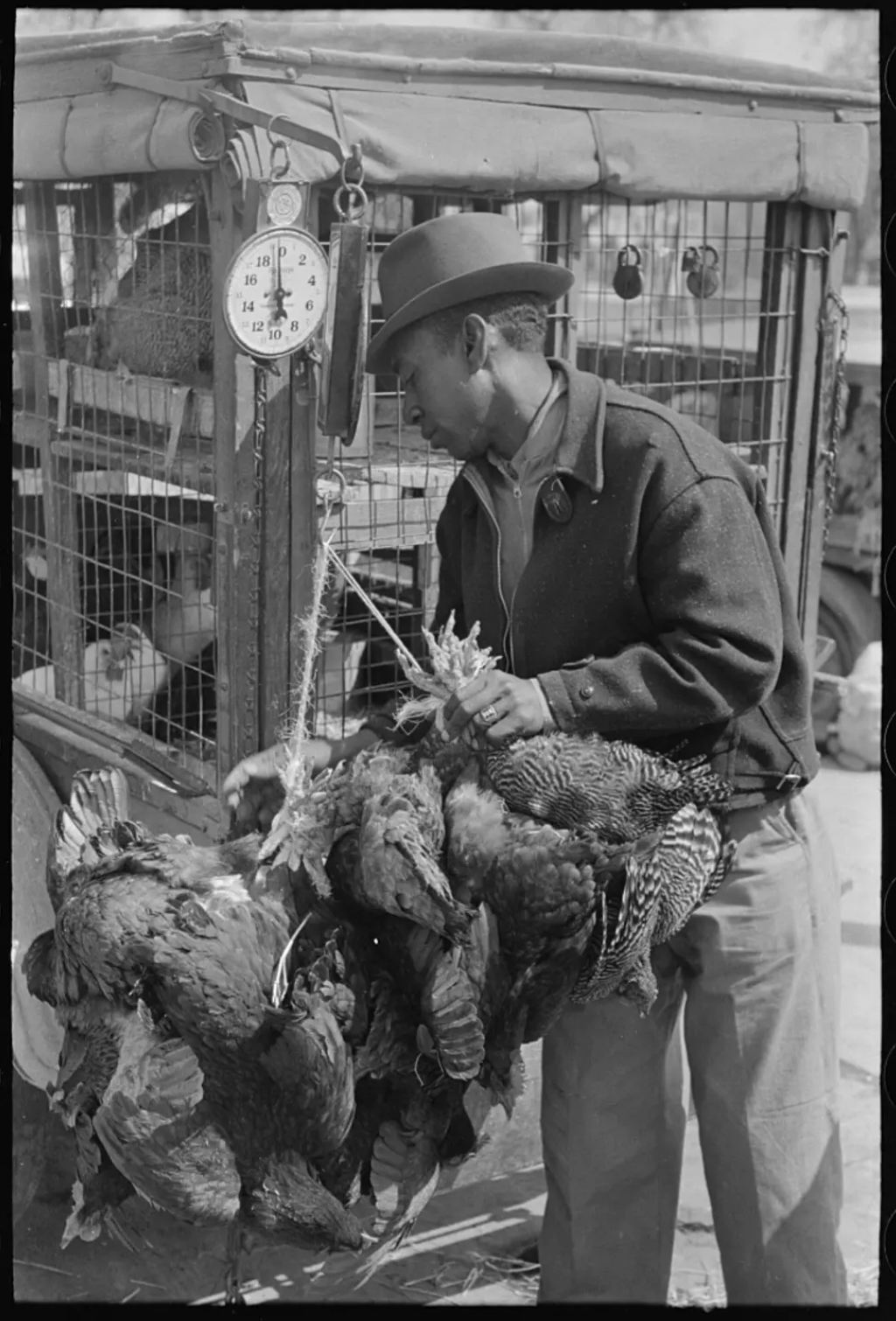
. Wabash United States Indiana, 1938. May. Photograph. https://www.loc.gov/item/2017723483/.
What it means: A ridiculously small or insignificant amount of money; a paltry sum that’s barely worth mentioning.
This expression comes straight from the practical economics of keeping a flock. Historically, chickens were valued partly because they were so cheap to feed. Unlike cows or pigs that required significant investment in grain and hay, chickens could largely fend for themselves.
A good farm flock ate kitchen scraps—vegetable peelings, stale bread, sour milk, all the bits and pieces that would otherwise go to waste. They ate bugs and worms they scratched up themselves. They ate weeds and grass. When you did supplement with grain, it was usually the cheapest stuff available, the sweepings and cracked corn that cost next to nothing.
In other words, feeding chickens cost “chicken feed”—barely anything at all. The phrase became shorthand for any amount of money so small it was almost insulting. “They’re paying you chicken feed for that work” meant you were being drastically undervalued, compensated with the equivalent of table scraps and cracked corn.
There’s something wonderfully circular about the expression. Chickens ate cheap because they’d eat anything. Therefore, “chicken feed” became synonymous with cheap. And now we use the phrase without even thinking about those resourceful birds scratching in the barnyard, turning literal garbage into eggs and meat.
Rule the Roost / Cock of the Walk
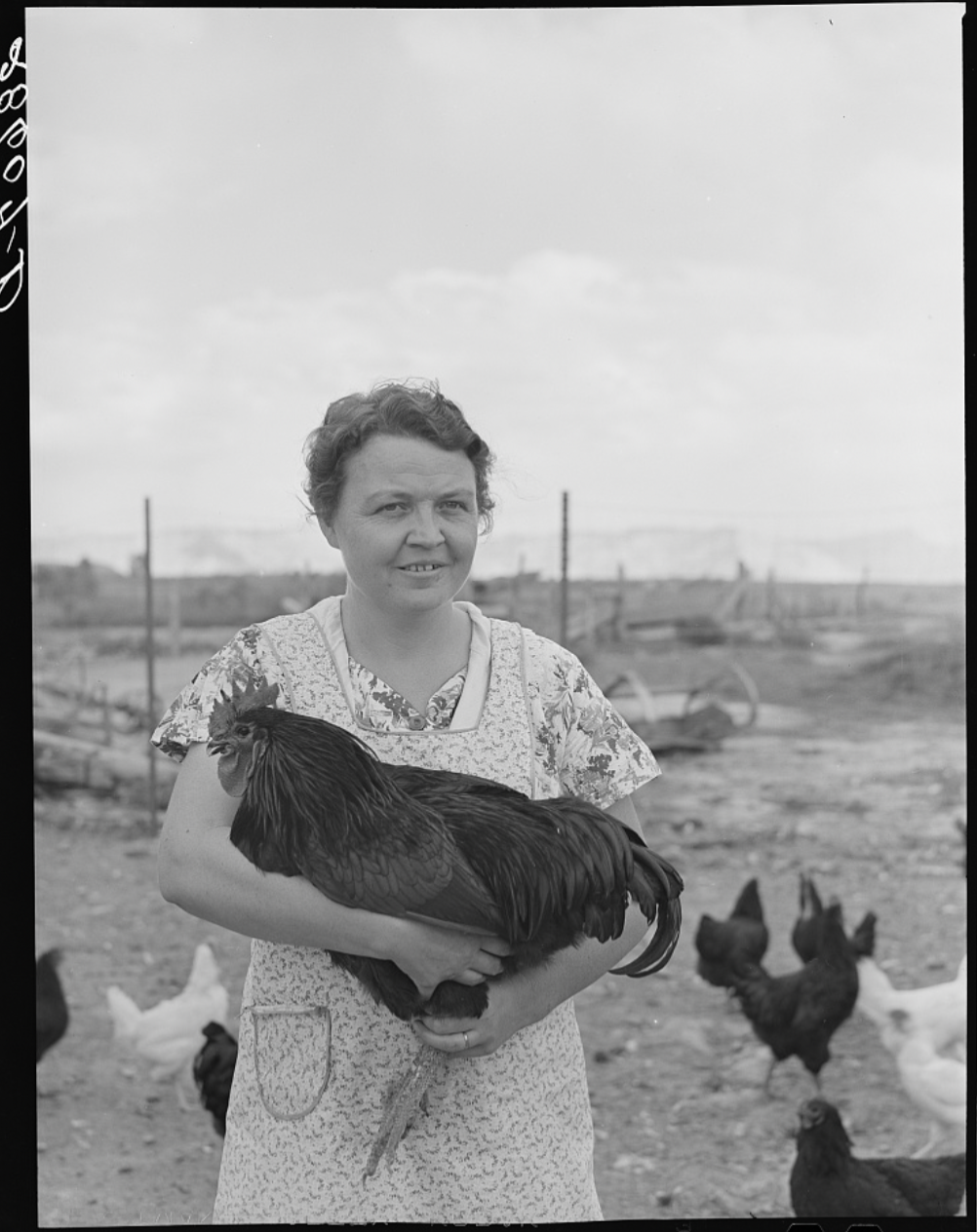
. Western Slope Farms United States Colorado, 1939. Oct. Photograph. https://www.loc.gov/item/2017778853/.
What it means: To be in charge; to be the boss or the dominant figure. “Cock of the walk” adds an extra layer of arrogance and swagger to the dominance.
Every flock has one—that rooster who struts around like he owns the place (because, from his perspective, he absolutely does). He’s up before everyone else, crowing to announce the dawn and his own magnificence. He keeps a watchful eye on his hens throughout the day, herding them away from danger (real or imagined) and making sure no rival dares to challenge his authority.
A good rooster takes his job seriously. He’ll find food and call his hens over to share it. He’ll position himself between his flock and any potential threat—including you, if he decides your boots look suspicious. He’ll break up squabbles among the hens and maintain order in his domain.
But there’s also an undeniable arrogance to it. That rooster doesn’t just lead—he struts. He puffs out his chest, holds his head high, and moves through the barnyard like a king surveying his kingdom. He’s the cock of the walk, and he makes sure everyone knows it.
Of course, this confidence can sometimes exceed his actual authority. Many a rooster has learned the hard way that while he might rule the henhouse, the human with the feed bucket ultimately rules him. But that doesn’t stop him from acting like he’s in charge, and that’s exactly the attitude we’re describing when we use these phrases—someone who acts supremely confident in their authority, whether or not that confidence is entirely warranted.
Up with the Chickens
What it means: To wake up extremely early, at or before dawn.
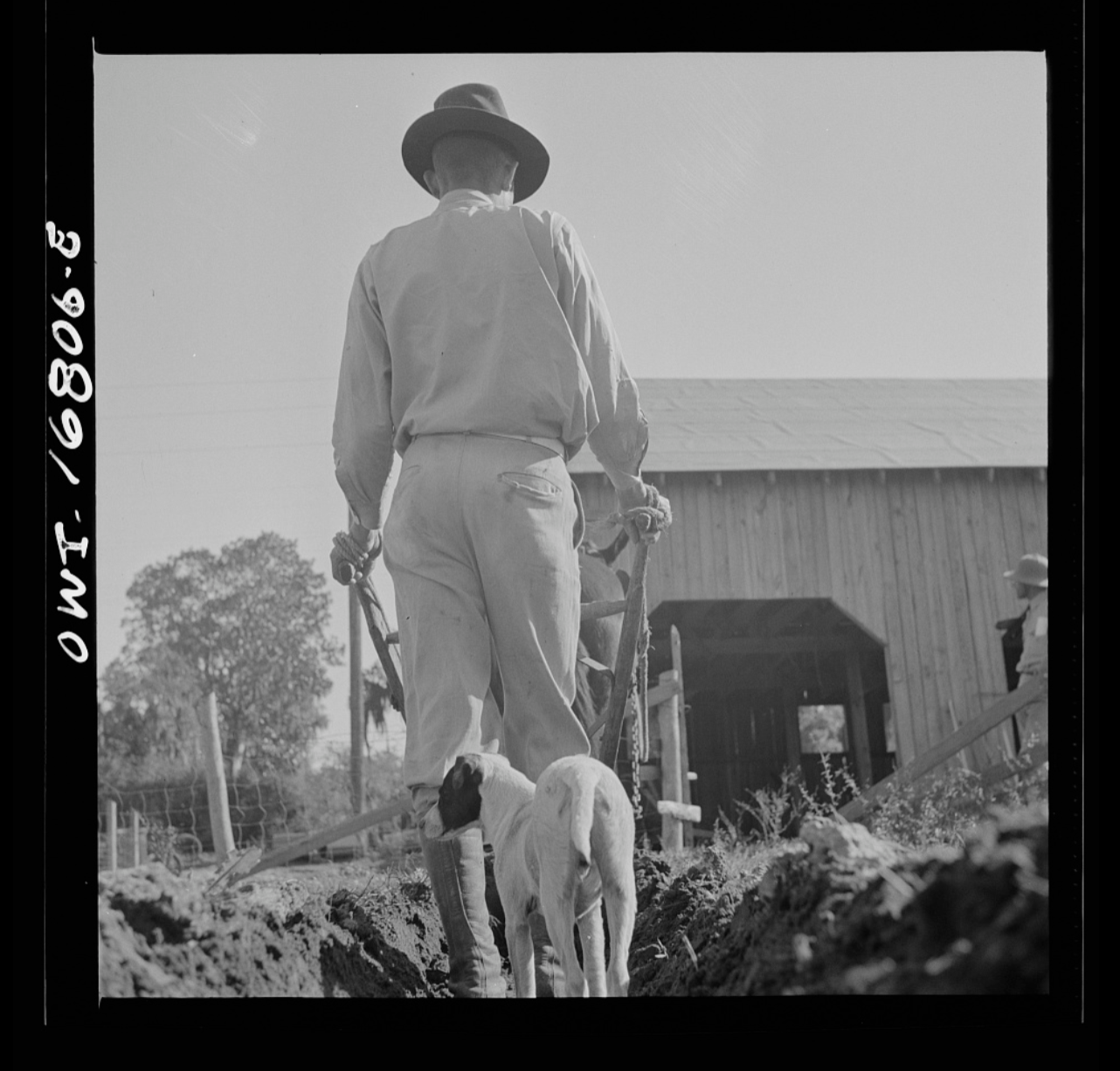
This one needs very little explanation for anyone who has ever kept chickens. The coop doesn’t care that it’s Saturday. It doesn’t care that you were up late last night. It doesn’t care that the sun isn’t even fully above the horizon yet.
The moment there’s the faintest hint of light in the sky, the chickens are awake. And they want you to know about it. There’s clucking, there’s rustling, there’s the rooster crowing (and crowing, and crowing). They’re hungry, they’re ready to get out and start their day, and they’re going to make noise until you drag yourself out of bed and tend to them.
In the days when most families kept chickens, this meant that farm life started early. You couldn’t sleep in even if you wanted to—the flock wouldn’t let you. So being “up with the chickens” became synonymous with rising at the crack of dawn, whether you liked it or not.
There’s something both admirable and slightly exhausting about the phrase. It speaks to a work ethic, a willingness to start the day when the day actually starts rather than when it’s convenient. But it also acknowledges the reality that sometimes you’re up that early not because you’re particularly virtuous, but because you’ve got a coop full of noisy birds who’ve decided it’s time for breakfast.
Chicken Scratch
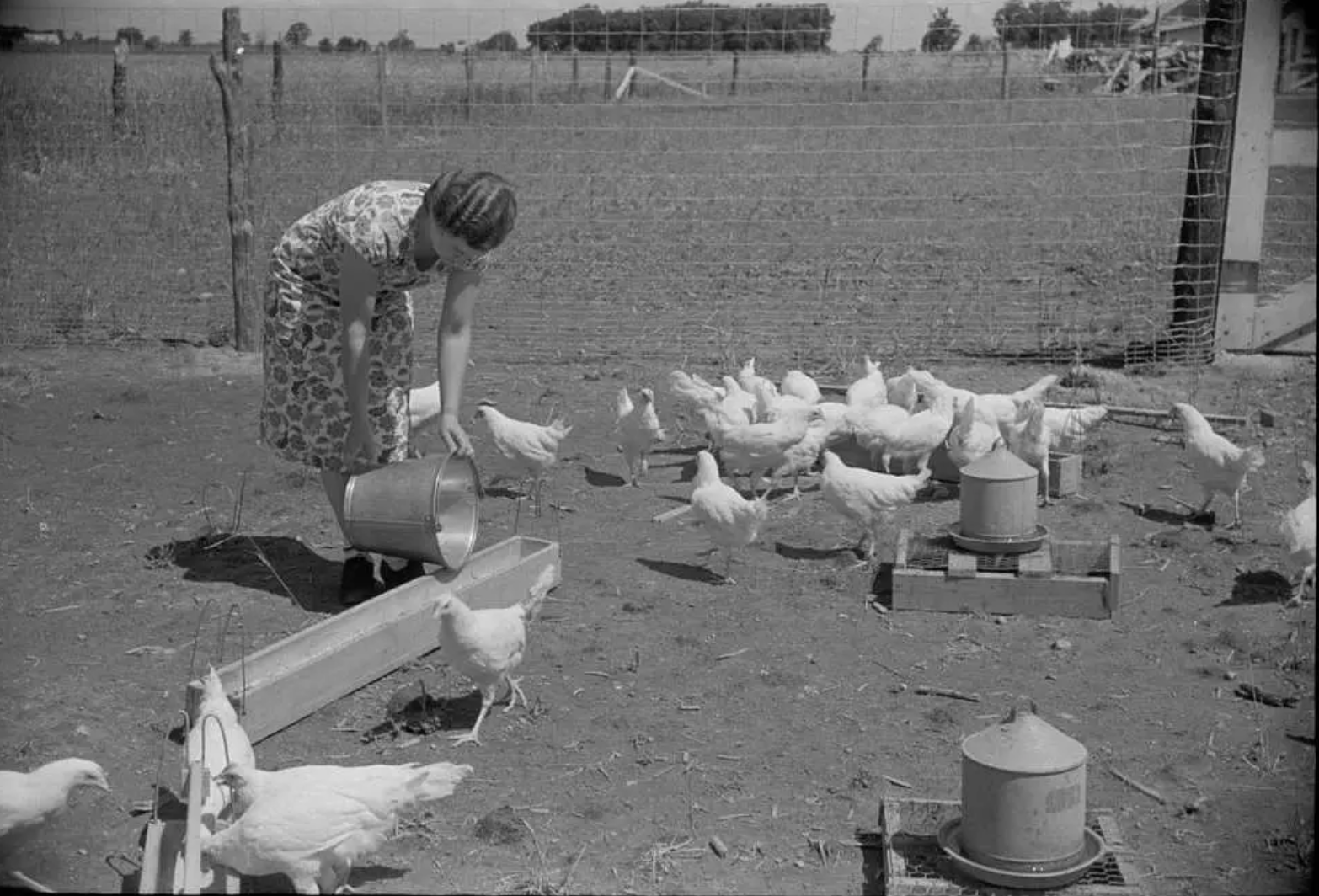
More information about the FSA/OWI Collection is available at http://hdl.loc.gov/loc.pnp/pp.fsaowi
What it means: Handwriting that’s so messy, cramped, or illegible that it’s nearly impossible to read.
If you’ve ever watched chickens forage, you know exactly where this expression comes from. They don’t peck daintily at the ground—they scratch. They use their feet to rake through dirt, leaves, and grass, digging for bugs, seeds, and anything else edible that might be hiding just below the surface.
The marks they leave behind are chaotic. There’s no pattern, no order, no logic to it. Just a mess of scratches and scrapes going every which way, overlapping and crisscrossing until the ground looks like someone took a rake to it and then gave up halfway through. If you tried to follow any individual line, you’d quickly lose track of where it started and where it ended.
That’s exactly what truly bad handwriting looks like—a tangle of lines that might technically be letters but are so poorly formed and erratically placed that deciphering them feels like trying to read those chicken scratches in the dirt. Was that an ‘e’ or an ‘i’? Is that word “house” or “horse”? Who knows? It’s chicken scratch.
The beauty of this expression is how perfectly visual it is. Even if you’ve never seen a chicken scratch up the ground, the phrase itself conjures the image: messy, chaotic, barely decipherable marks that might mean something to the creature that made them but are gibberish to everyone else.
Mother Hen
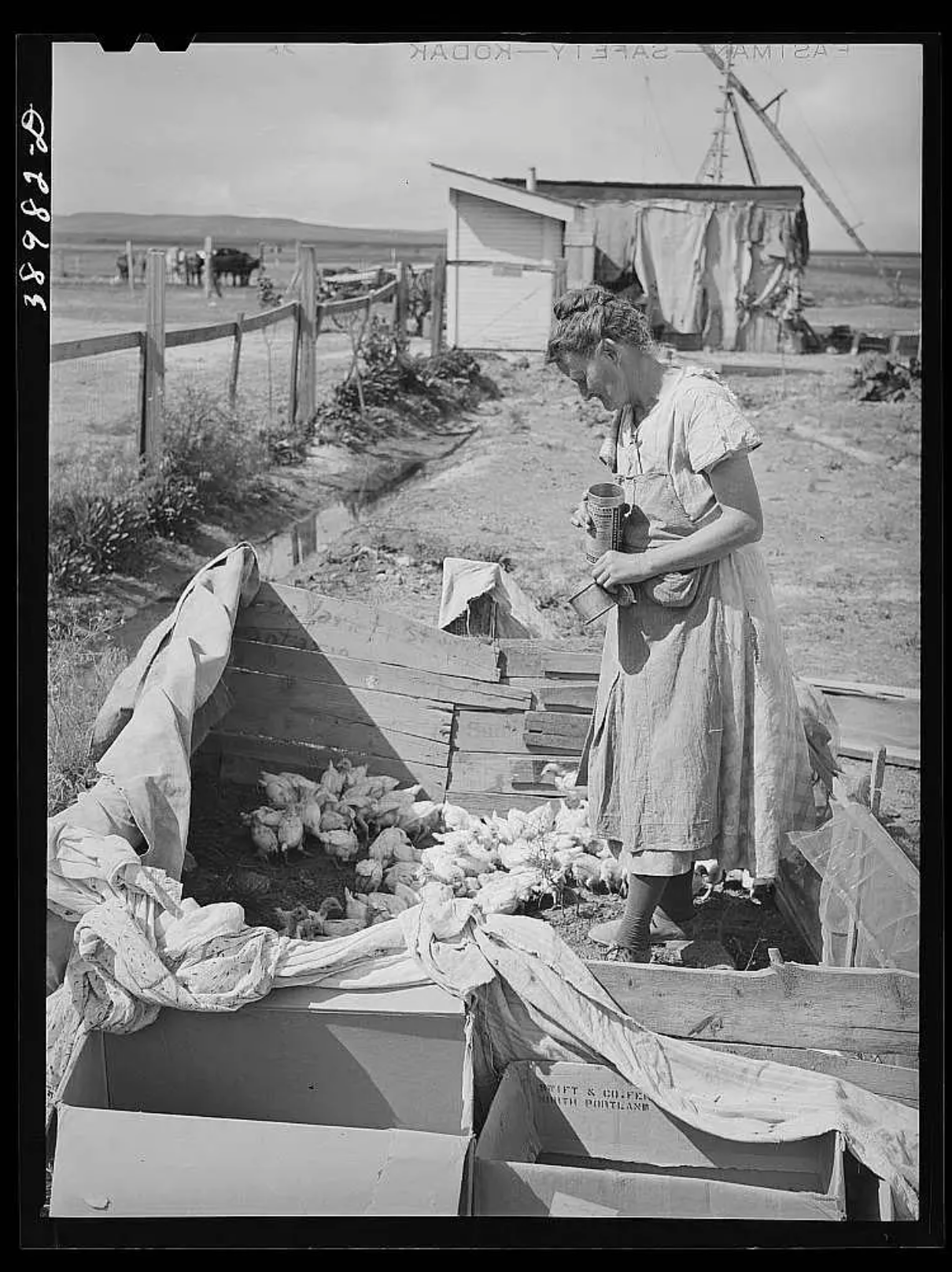
What it means: Someone who is overly protective, fussy, or nurturing toward others; someone who hovers and worries and tries to take care of everyone whether they need it or not.
Anyone who has ever reached under a broody hen to collect an egg knows this expression in their bones—and probably still has the scars to prove it.
A broody hen is a force of nature. She’s decided she’s going to hatch some eggs, and nothing—nothing—is going to stop her. She’ll sit on that nest for weeks, barely eating or drinking, her body temperature raised, her entire being focused on the task at hand. And if you dare to approach her precious eggs? She transforms from a mild-mannered chicken into a puffed-up, hissing, pecking ball of pure maternal fury.
She’ll spread her wings to make herself look bigger. She’ll make threatening noises deep in her throat. And if you’re foolish enough to reach under her anyway, she’ll peck you—hard—and keep pecking until you retreat. She doesn’t care that you’re a hundred times her size. She doesn’t care that you’re the one who feeds her. Those are her eggs, and she will defend them with everything she has.
That fierce, sometimes excessive protectiveness is exactly what we mean when we call someone a “mother hen.” It’s someone who watches over others with intense devotion, who worries and fusses and won’t let anyone get too close to their charges. It can be endearing or annoying depending on the situation, but it always comes from a place of genuine care—just like that broody hen who’s willing to take on anything that threatens her nest.
Fly the Coop
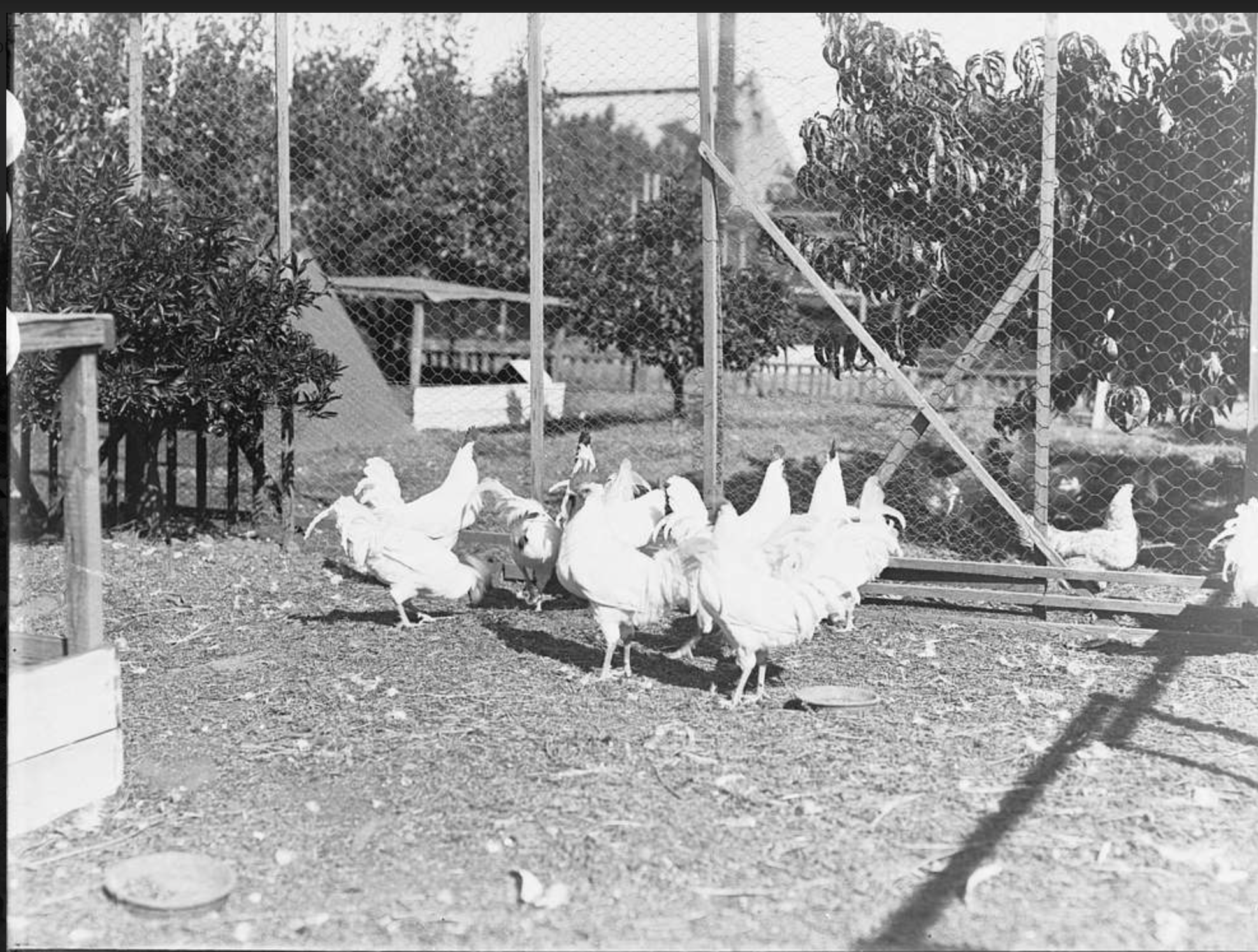
What it means: To escape, leave home, or depart suddenly; to break free from a restrictive situation.
Every chicken keeper has that one hen. You’ve built a perfectly good run with six-foot fencing. You’ve clipped wings. You’ve added extra barriers. And yet somehow, impossibly, she still manages to get out.
You’ll look out the window and there she is, casually foraging in the garden where she absolutely should not be. How did she get there? You have no idea. The fence is intact. The gate is closed. And yet she’s out there, living her best free-range life while her sisters remain safely (or perhaps enviously) contained.
Some chickens are just born escape artists. They’re determined, clever, and apparently capable of defying physics when properly motivated. Maybe they flutter-jump higher than seems possible. Maybe they find the one weak spot in your fencing. Maybe they’ve simply decided that the grass really is greener on the other side, and they’re willing to do whatever it takes to get there.
When someone “flies the coop,” they’re channeling that same determined escape energy. They’re leaving—maybe leaving home for the first time, maybe leaving a job or relationship that’s been holding them back. There’s often an element of sudden departure to it, just like discovering that hen in the garden. One moment everything seems secure and contained, and the next moment, someone’s gone, off to seek their fortune (or at least some better bugs) elsewhere.
To Lay an Egg
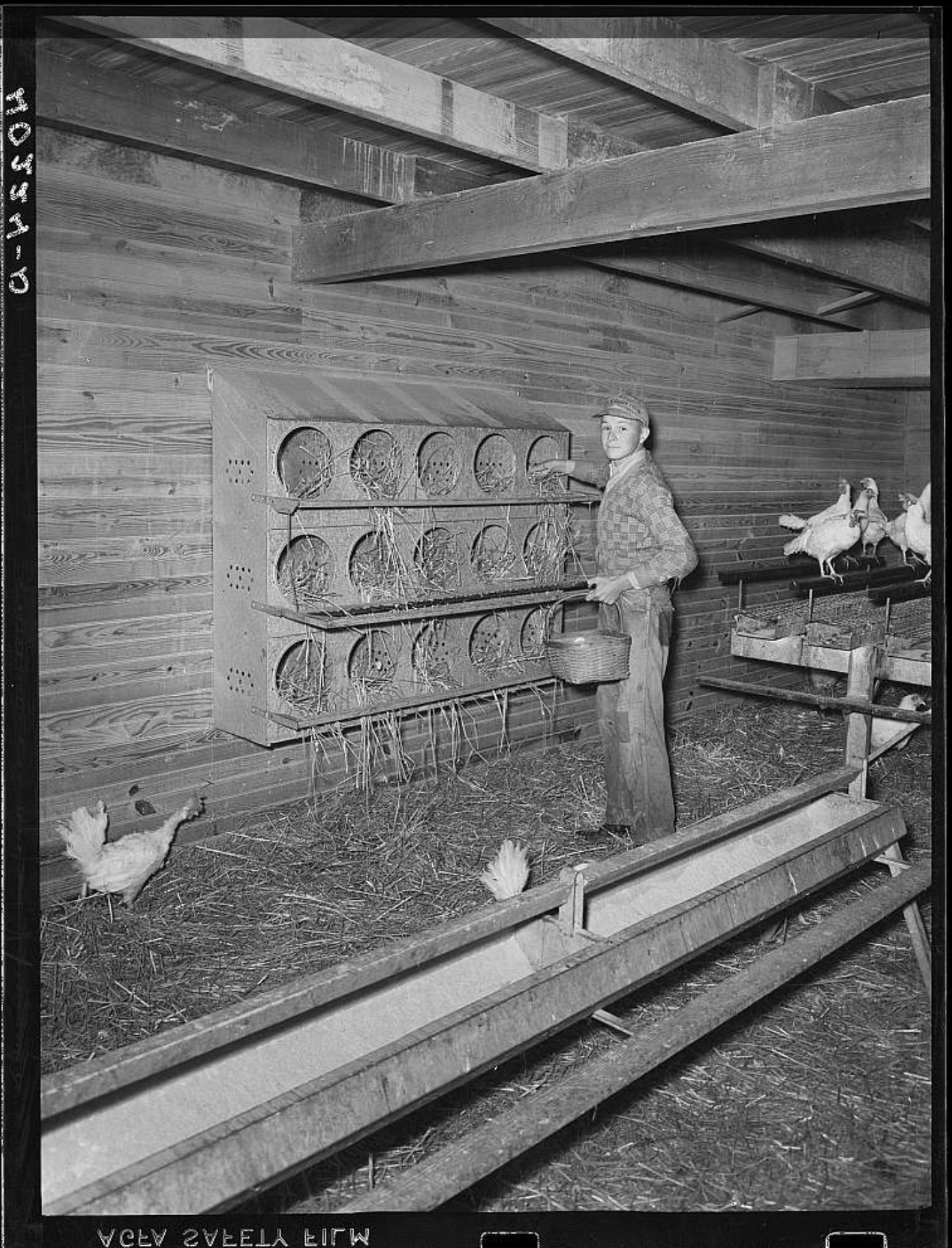
What it means: To fail spectacularly, especially in a public performance; to completely flop or bomb.
This one has a delicious irony to it. The expression comes from old Vaudeville theater slang, where “laying an egg” meant delivering a performance so bad that it died on stage. The audience didn’t laugh at your jokes, didn’t applaud your act, just sat there in stony silence while you died a thousand deaths under the spotlight. You laid an egg—a big, embarrassing goose egg, a zero, a complete failure.
But here’s what makes this expression so wonderfully contradictory: on the farm, laying an egg is literally the definition of success! That’s the whole point of keeping hens. Every egg is a small victory, proof that you’re doing something right. A hen that lays consistently is valuable. A hen that doesn’t lay? Well, she’s headed for the stew pot.
So we have this funny linguistic situation where the same phrase means complete opposite things depending on context. In the theater, laying an egg is disaster. In the henhouse, it’s exactly what you want to happen. The expression has stuck around in its theatrical sense, but anyone with farm experience can’t help but smile at the contradiction.
It’s a good reminder that context is everything, and that sometimes success and failure are just a matter of perspective. That Vaudeville comedian’s egg was a flop. The hen’s egg? That’s breakfast.
Running Around Like a Chicken with Its Head Cut Off
What it means: Acting in a frenzied, panicked, completely disorganized manner; rushing around frantically without any clear purpose or direction.
This is the one expression on our list that’s a bit gruesome, but it’s also perhaps the most viscerally accurate. Our rural ancestors would have recognized this phrase immediately because they’d witnessed the reality it describes.
On processing day—when it was time to turn some of the flock into Sunday dinner—there was a phenomenon that, while disturbing, was undeniably real. After a chicken was dispatched, its body would sometimes continue moving for a brief period, running and flapping in a macabre display of nerve impulses and muscle memory. It was chaotic, purposeless motion—the body moving without any guidance or direction, pure frenzied activity signifying nothing.
It’s not a pleasant image, but it’s an incredibly effective metaphor. We’ve all had those moments (or days, or weeks) where we’re rushing around frantically, doing a dozen things at once, feeling busy and frantic and overwhelmed—but not actually accomplishing anything meaningful. We’re all motion and no direction, all panic and no plan. We’re running around like a chicken with its head cut off.
The expression has endured precisely because it’s so accurate. That feeling of frenzied, purposeless chaos is universal, and this old farm phrase captures it perfectly. It’s a reminder to stop, take a breath, and make sure you’re actually moving toward something rather than just moving for the sake of moving.
The Wisdom Endures
These old chicken sayings have lasted because they’re rooted in something real. They’re not abstract philosophy or clever wordplay, they’re observations drawn from daily life, from the actual experience of living alongside these birds and watching how they behave.
Our ancestors spent their mornings collecting eggs, their afternoons watching the flock forage, their evenings counting heads as the birds returned to roost. They saw the pecking order establish itself. They knew which hens were the escape artists and which roosters ruled with an iron claw. They understood the economics of spring chickens versus stew hens, the value of cheap feed, the fierce protectiveness of a broody hen.
And from all that ordinary, everyday interaction, they developed a vocabulary that’s still with us today. We use these expressions in boardrooms and living rooms, in cities where the closest thing to a chicken is the rotisserie kind from the grocery store. But the wisdom holds because the observations were true.
Chickens, it turns out, have quite a bit to teach us about consequences and hierarchy, about aging and economics, about protectiveness and escape, about success and failure and the frenzied chaos of modern life. Not bad for a bunch of birds whose brains are smaller than walnuts.
So the next time you use one of these old sayings, take a moment to remember where it came from. Picture that farmyard, that coop, that flock going about their daily business. Our ancestors were paying attention, and the wisdom they gleaned from the henhouse is still worth listening to.
After all, the chickens always come home to roost.