Because Every Life Deserves to Be Accounted For
Last fall, I wrote about the push to unseal New York’s institutional records and the work of Dr. Ryan Thibodeau and a small but steady coalition of historians, scholars, and advocates who are working toward something both simple and profound: allowing families access to the records of those who lived and in many cases, died in New York’s psychiatric institutions.
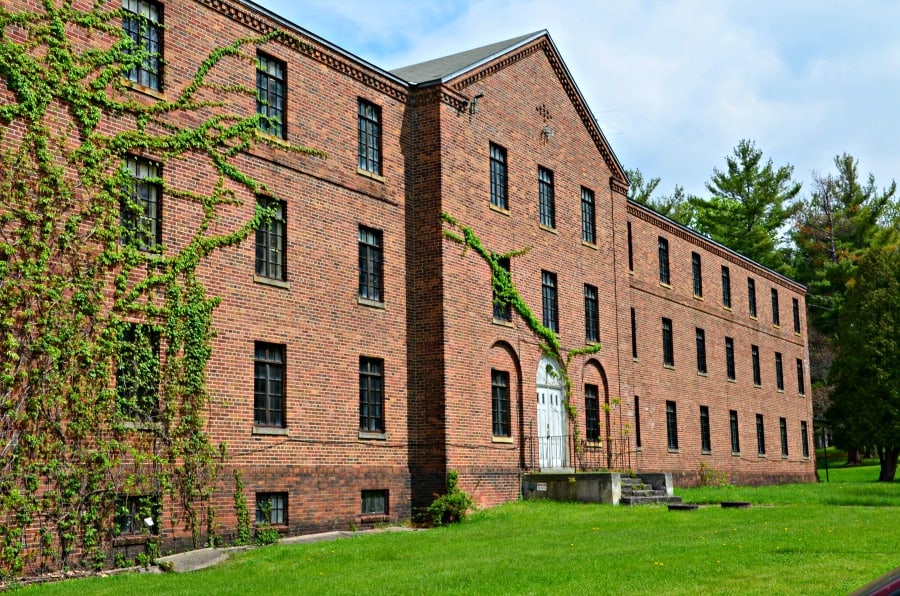
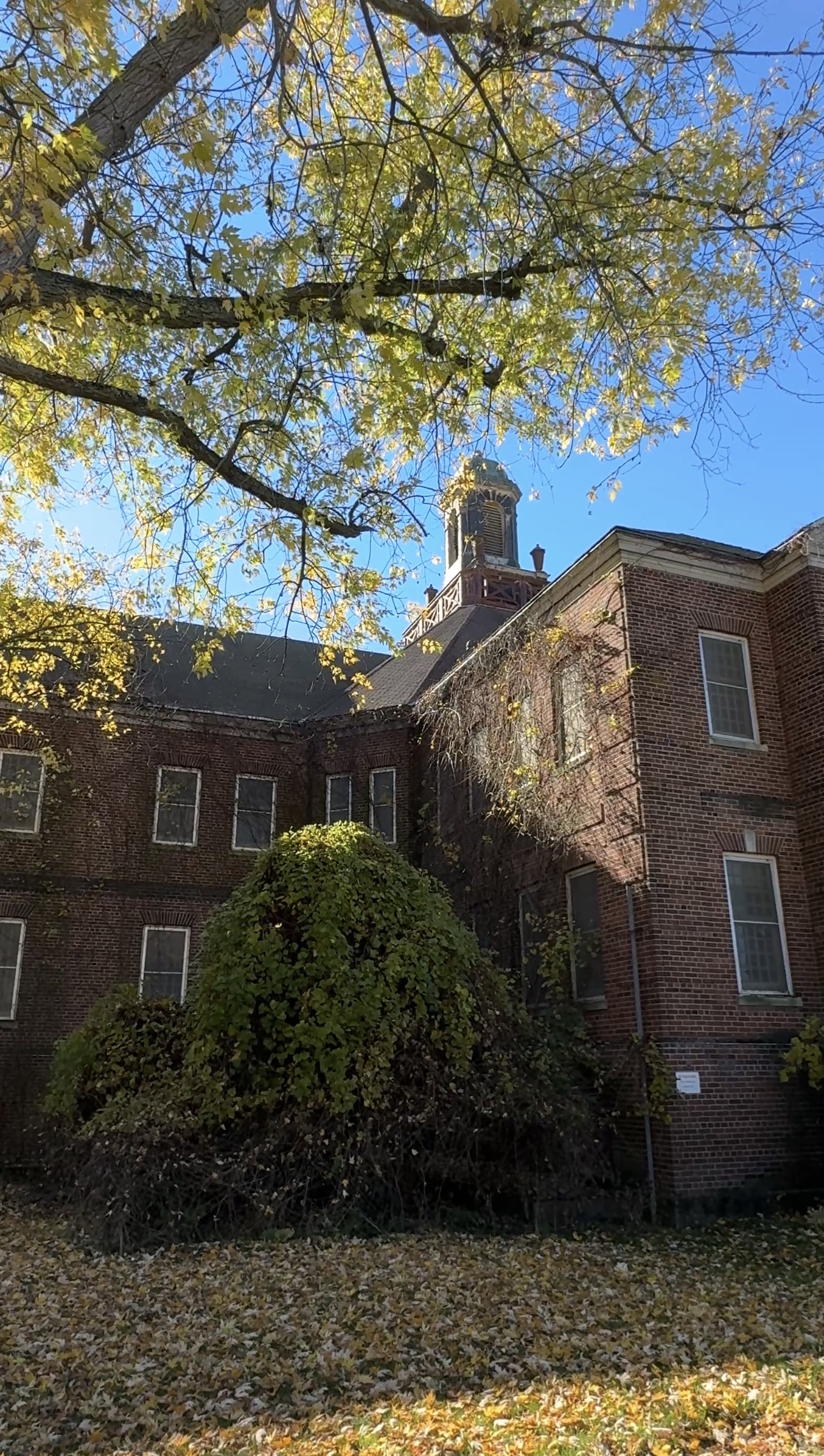
New York State maintains some of the strictest rules in the country when it comes to accessing records from its former psychiatric institutions. In many cases, even direct descendants encounter considerable barriers. Files remain sealed long after patients have died. Burial locations are often unclear. Basic details, such as dates, transfers, and even the cause of death, can be difficult or impossible for families to obtain.
These policies were originally formed by concerns about privacy and stigma, and those concerns were real at the time. Decades later, families are still left without answers. Historians are left without access to public records that document the operation of state-run institutions. And entire chapters of New York’s story remain inaccessible, not because they are unknown, but because they are administratively sealed.
For some families, this is not an abstract historical debate. It is a lingering question. A relative who “went away” and never fully returned to the record. A name on a census that disappears in the next decade. A relative no one quite knew how to talk about.
Legislation that would unseal these records and bring greater transparency to New York’s history, particularly around institutional care, has now moved out of committee and onto the Assembly floor. That matters. It signals that this conversation is no longer confined to historians and archivists. It is being taken seriously at the state level.
But legislation does not move forward on formal progress alone. It moves when people understand why it matters.
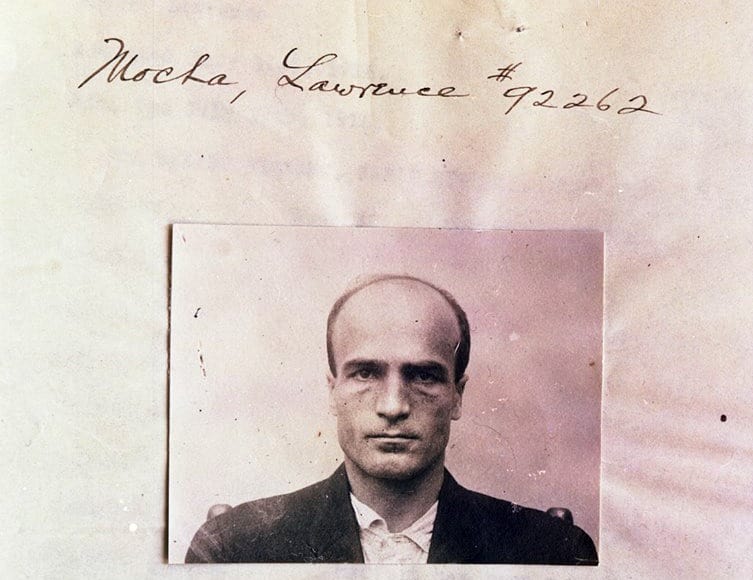
Behind every sealed file is a person. A son. A sister. A mother. A name that appears in a family Bible and then, suddenly, nowhere else. For many families, the story simply stops. There is no grave marker. No clear record. No explanation of what happened during those final years.
Policy language can feel a little obscure. Phrases like “institutional transparency” or “access to records” don’t exactly convey what’s at stake on a human level. But this isn’t really about terminology or legislative wording. It’s about whether families are allowed to know what happened to their own relatives.
It’s about dignity, even if that dignity comes decades late.
If this bill is going to gain broader public support and real momentum, we have to center the lived stories behind it. Lawmakers need to hear from the families still searching. The ones who live out of state. The ones who were told very little. The ones who still do not know where their relatives are buried.
That’s where you come in.
If you have a relative who was institutionalized, and you do not already know where their grave is located, you live outside New York State, and you’re comfortable sharing your name with the press, a reporter is working on a story and would like to hear from you. Your experience can help shape a movement that honors individuals and brings clarity to families still seeking answers.
In particular, they are hoping to hear from individuals who:
- People with an ancestor or relative who was institutionalized
- Who don’t know where that relative’s final resting place is
- Who live outside of New York State
- And who are willing to be named in an upcoming op-ed
If that sounds like you, or someone you know, please email Dr. Ryan Thibodeau at rt********@*jf.edu with a brief note about your connection and your thoughts. If you’re not sure how to start, here is a sample you can use:
“Hello Dr. Thibodeau,
I am writing because I have a relative who was institutionalized in New York State. I do not know where they are buried, and I live outside of New York. I am willing to have my name included in your story. I would be glad to share more about my family’s experience or answer any questions you might have.
Thank you, [Your Name]”
If you care about this issue but aren’t comfortable sharing your name publicly, that is understandable. There are still meaningful ways to support this effort. You can contact your state legislators and let them know you support unsealing institutional records. You can share this post. You can talk about it within your own family. Public policy often moves because of private conversations.