Unsealing New York’s Past: A Call for Transparency

For more than a decade, this story has followed me, through archives, along quiet roads, and down long pine driveways leading to places New York would rather forget.
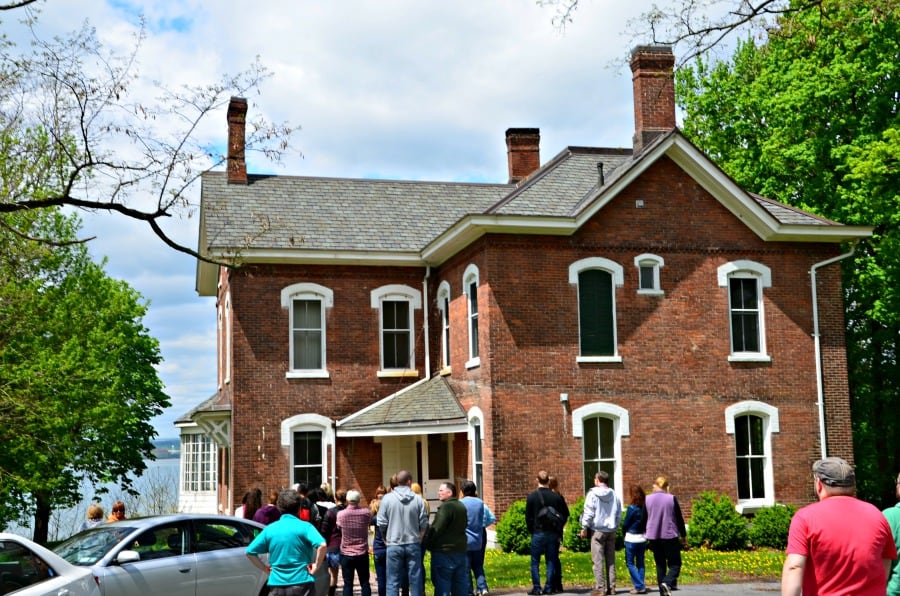
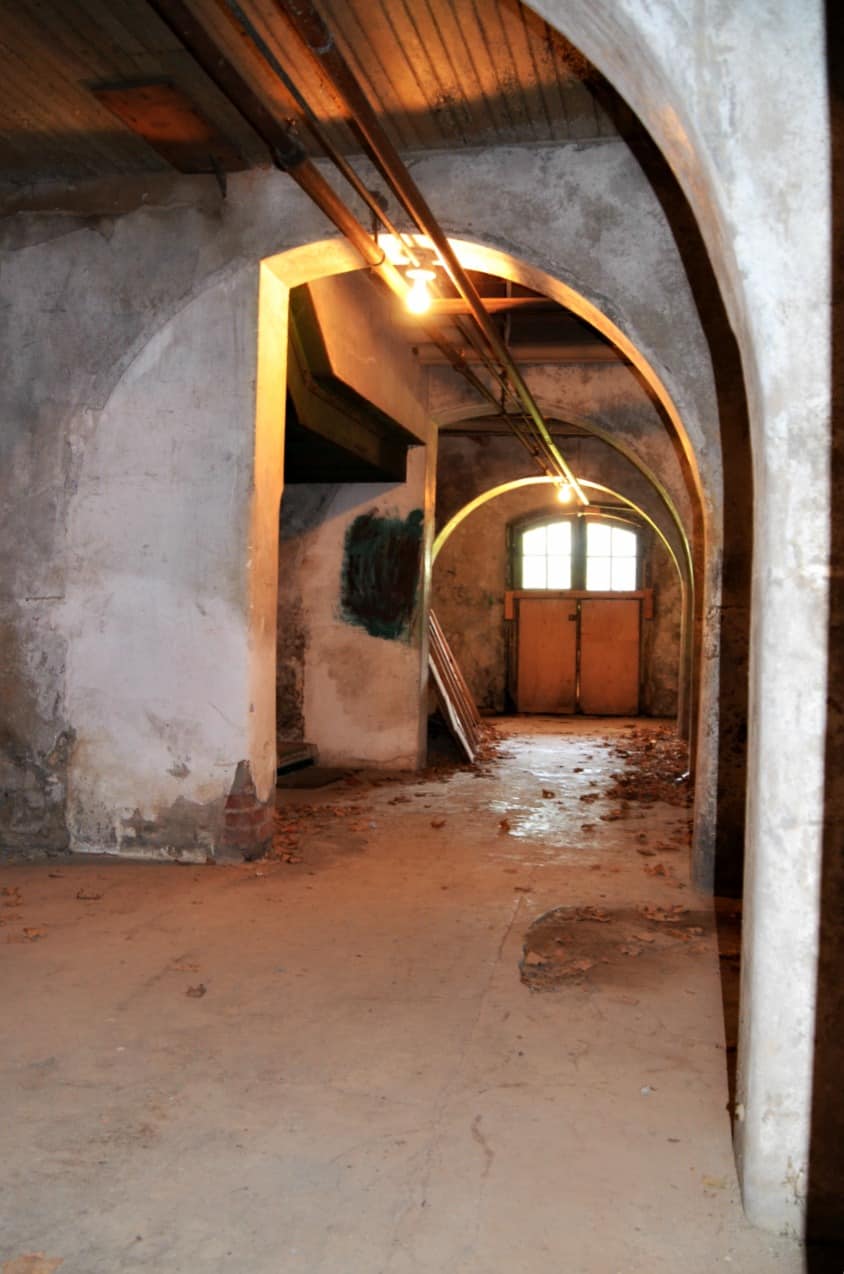
It began the day my mother and I decided to tour the Willard Asylum for the Chronic Insane. She had an aunt who had spent time there, and we were both curious … Curious about what led her there, curious about her days inside, her treatment, her life. We knew we’d never get those answers. But we could walk the halls she may have walked, see the grounds she may have seen, and try, for just a moment, to understand.
What started as that quiet visit, two women searching for traces of family history grew into something much larger: It changed everything we thought we knew about care… and lives that were hidden away.
If you’ve ever tried to trace a relative who spent time in one of New York’s old state hospitals or institutions, you already know how hard it is. The hoops are endless, and the barriers impossibly high. Families searching for truth or closure often hit a wall of “confidentiality.” HIPAA laws that were meant to protect the living, but also silenced those lost, lives already silenced once before.
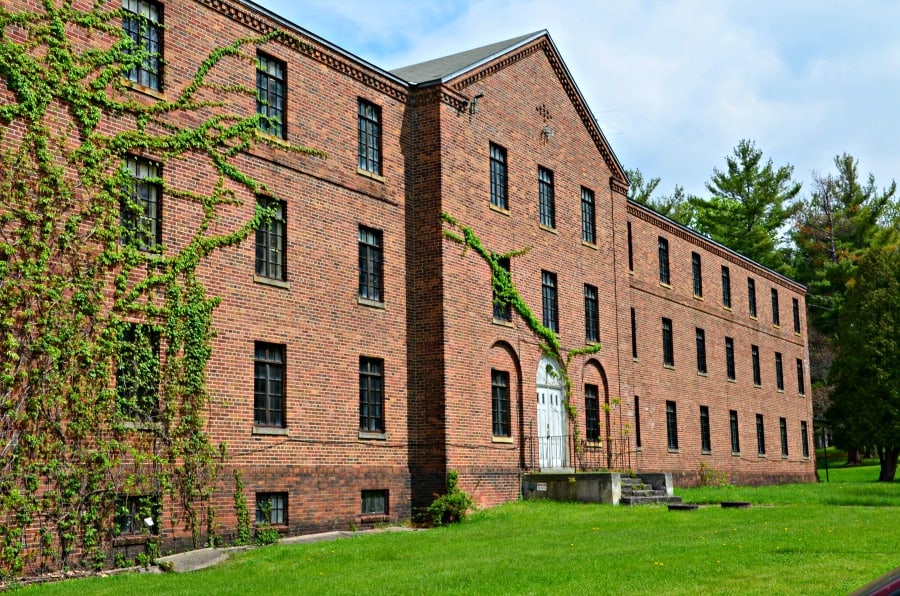
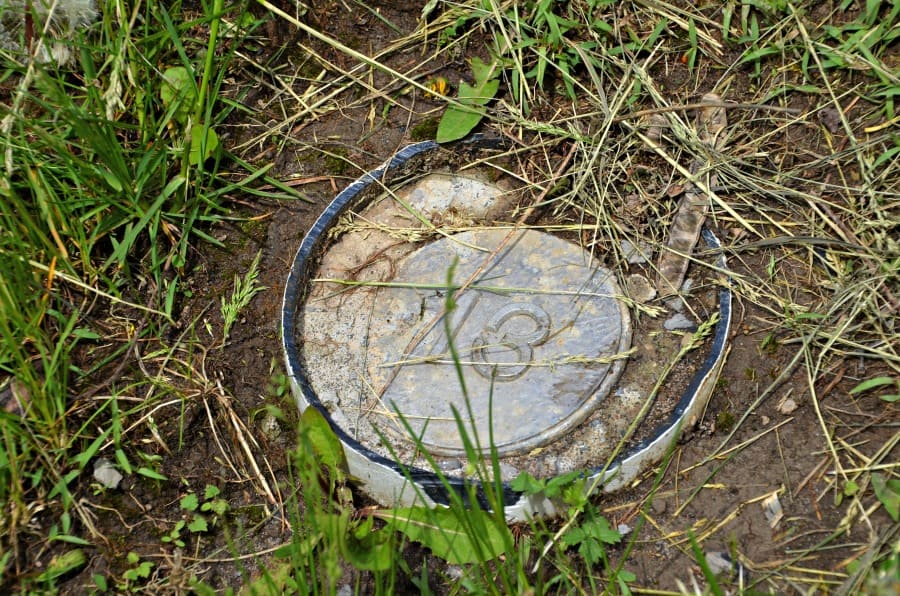
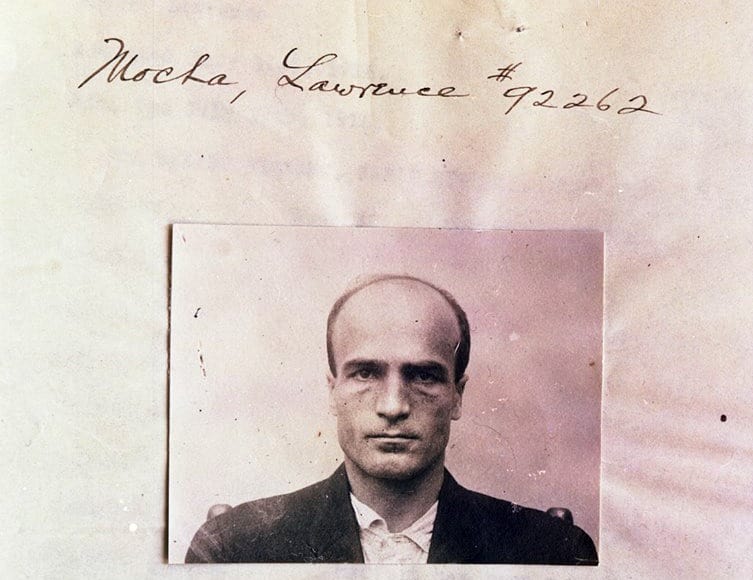
After our visit to Willard I stayed in touch with some of the people I had met, and kept tabs on the Willard Memorial Cemetery Project. For a time, I worried that with the passing of Darby Penny, we’d lost one of our fiercest advocates for truth and dignity. Darby co-authored The Lives They Left Behind and created the Inmates of Willard 1870–1900: A Genealogy Resource website, an extraordinary archive that gave names, faces, back to some of those once confined to the Willard Asylum.
I had the pleasure of corresponding with Darby a few times, and she helped me see that this work isn’t just about genealogy, it’s about remembrance. It’s about restoring dignity to those denied it in life.
So when I recently heard from Dr. Ryan Thibodeau about a new group of academics, historians, and advocates picking up that torch, it felt like a spark reignited. Their goal is simple but powerful: to make it possible for families to access the records of those who lived and died in New York’s psychiatric institutions.
The group is gathering input from anyone who has faced this challenge. If you’ve tried to learn about an ancestor who was institutionalized but ran into red tape, sharing your story could help strengthen their case for legislative change. You can find a Google Form to start sharing your experience here: Increasing Access to Records of Institutionalized People in New York State
They’ve also connected with a journalist who’s writing about this issue and hopes to speak with families blocked by New York’s strict privacy laws.
Every shared story brings us closer to honoring these lives as they deserve, not as numbered graves or names buried in archives, but as people remembered with dignity.
I think back to that drive with my mother, the road lined with trees and history. We didn’t find answers that day. But we found something else, a quiet promise to keep listening, to keep speaking, to keep remembering.