
Winter Sowing, Again (and Always)
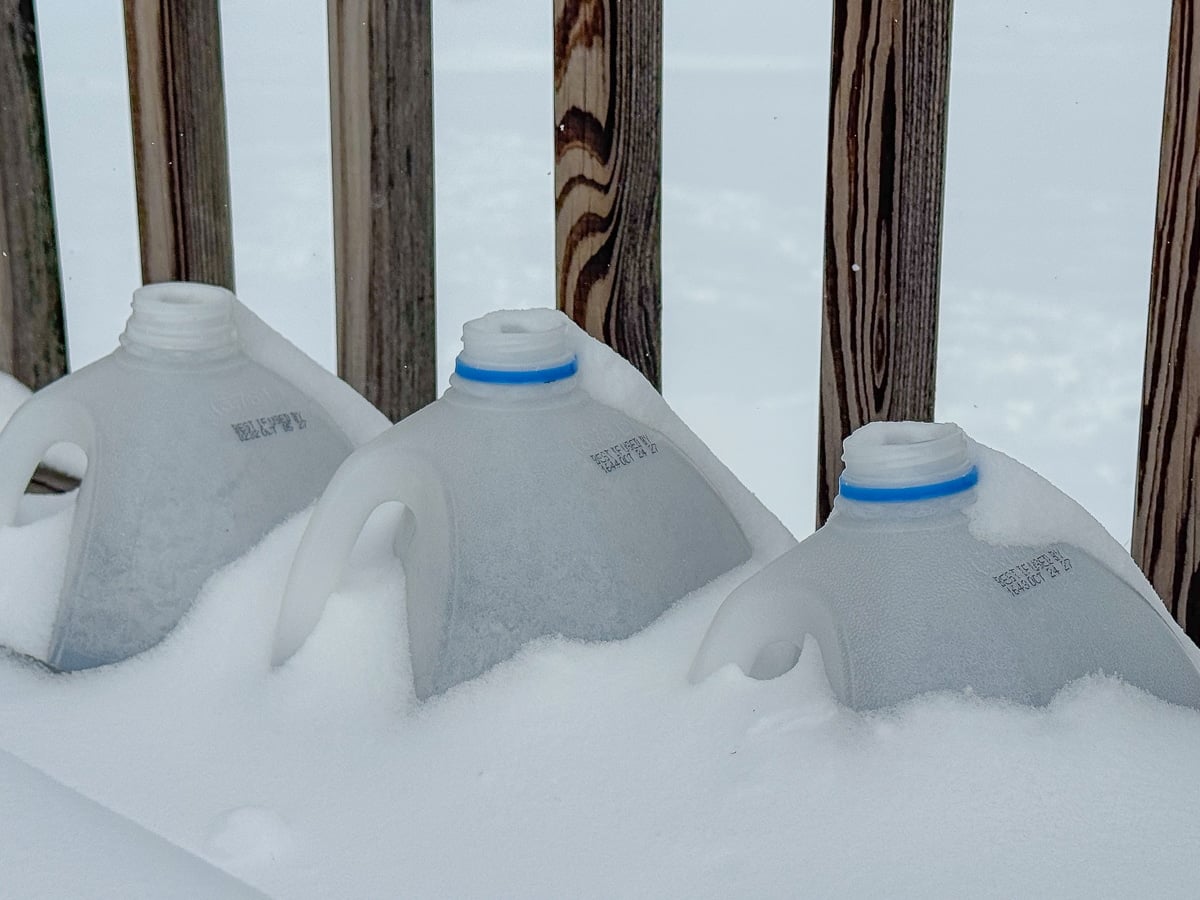
Winter sowing always starts before I’m ready.
Before the seed trays come out. Before the lights are hung and the heat mats are plugged in. Before I’ve fully wrapped my head around the fact that we are, once again, about to farm.
That part takes me a while every year. There’s a moment in late winter where I’m still mentally in January, still moving slowly, still thinking in short days and long nights, while the calendar quietly insists otherwise.
Winter sowing requires a bit of mental motivation on my part. Sorting through seed packets, and lugging soil bags out of the barn feels like beginning farming early, like opening that door before I’ve finished shutting the others.
Late winter is usually when I’m finally getting caught up on everything that slipped during the summer. Home repairs. Deferred maintenance. Projects that sat half-done while the days were long and the work outside took priority. This is the season when I’m trying to regain a sense of order, not invite another major responsibility into the mix.
So there’s resistance.
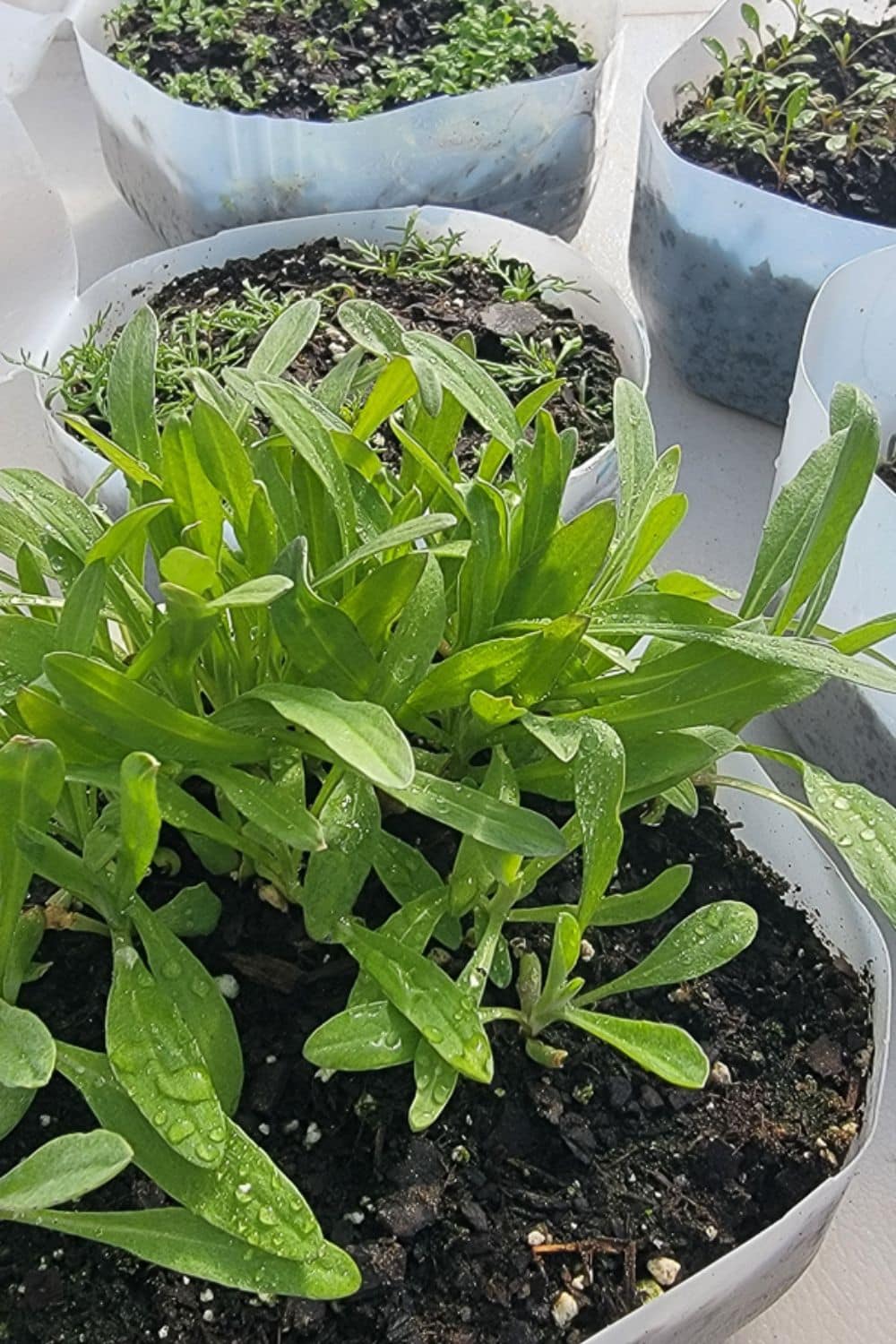
But when I think about opening milk jugs full of vibrant green seedlings in early spring, I find the motivation.
What Winter Sowing Actually Is
The method itself is far less complicated than the feelings I bring to it.
If you’ve never tried it, the basic idea is simple: you sow seeds outdoors, in winter, in mini greenhouses made from recycled milk jugs. You add drainage holes, fill them with soil, plant your seeds, close them up, and set them outside.
Then you walk away.
That’s it. Seriously.
The seeds experience cold, moisture, thawing, refreezing, all the things they’d experience if they fell to the ground naturally in autumn. When the timing is right, they germinate. Not because you forced anything with heat mats, lights, or humidity domes, but because conditions are finally right.
Why I Keep Coming Back to Winter Sowing
Every year, I start all the market produce plants that grow on the farm from seed. It’s a highly orchestrated situation, under lights, on heat mats, with a careful eye on the calendar. Fussing with trays, humidity domes, and timed watering schedules is simply part of the deal.

Flowers rarely make the cut into this system. Not because they aren’t important, but because there’s only so much room, physically and mentally, for that level of precision. I don’t want one more indoor setup to manage in early spring. I don’t want to put up more racks, invest in more lights, or shuffle flats around the kitchen worrying about leggy seedlings stretching toward a window.
And honestly? The kind of flowers I like, the kind you’d find in a cottage garden, don’t need all that.
They want cold. They want patience. They want to come up when they’re ready, not when I am.
I grow the vegetables because the farm depends on them; they’re essential to its operation. But, I need the flowers for a very different reason.
They mark time in a way nothing else does. They soften the edges of a season that can feel relentlessly hectic and practical. They show up in the middle of workdays, on the kitchen table, in jars by the sink, and at dusk, there’s nothing better than lingering among them as the dew begins to set.
They don’t feed the farm, exactly, but they feed me in a way that keeps me in it.

So I grow them this way. Outdoors. Early. In cut-up milk jugs that can sit in the cold while I’m still catching up on everything else. Winter sowing makes room for beauty without asking for more than I can give. It’s simple. It’s low-risk. And it works.
That’s why I keep coming back to it.
Winter sowing always starts before I’m ready.
But maybe that’s the point. It doesn’t ask for certainty or momentum, just a small act of faith carried out in the quiet of late winter. A few seeds tucked into soil, set outside, and left alone.
By the time I am ready, something is already growing.


