
From Sauerkraut Capital to Cultural Legacy: How Phelps Preserved Its Industrial Heritage
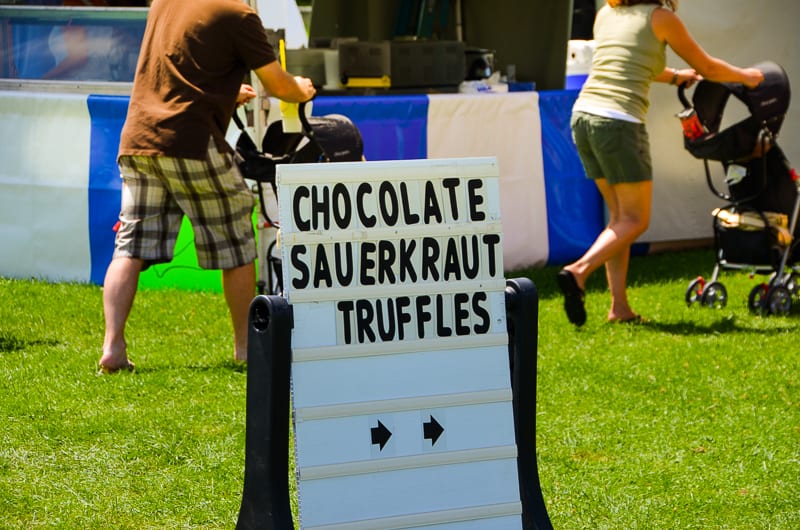
When people think of the Finger Lakes region of upstate New York, wine usually comes to mind first. Rows of grapevines cascading down hillsides, tasting rooms with lake views, award-winning Rieslings and Cabernet Francs. But nestled in Ontario County, just north of Geneva, sits the small village of Phelps—a community with a different claim to fame. This wasn’t just another charming agricultural town. For much of the 20th century, Phelps was the sauerkraut capital of the world, producing more fermented cabbage than anywhere else on the planet. Founded in 1793 as a pioneer settlement, Phelps transformed itself into an industrial powerhouse, its factories processing thousands of tons of cabbage annually. Today, while the factories are gone, the town celebrates this remarkable heritage every August with the Phelps Sauerkraut Festival—a multi-day event that’s equal parts nostalgia, community pride, and genuine appreciation for a history that shaped the region.
Why Phelps? The Geography and Climate Behind a Sauerkraut Empire
The Finger Lakes region didn’t become New York’s premier wine country by accident, the glacially-carved lakes create microclimates that moderate temperatures and extend growing seasons. But long before vintners recognized this potential, farmers understood that these same conditions were ideal for a different crop: cabbage.
Cabbage thrives in cool weather, with optimal growing temperatures between 60 and 65 degrees Fahrenheit. The Finger Lakes’ climate, moderated by deep glacial lakes and characterized by cool springs and falls, provided exactly these conditions. The region’s fertile soil, deposited by retreating glaciers thousands of years ago, was rich in the nutrients cabbage demands. While other parts of New York sweltered in summer heat that caused cabbage to split and bolt, Phelps-area farmers could grow dense, firm heads perfect for fermentation.
This agricultural advantage intersected perfectly with cultural tradition. German immigrants and their descendants, who settled throughout upstate New York in significant numbers during the 19th and early 20th centuries, brought with them centuries-old expertise in sauerkraut production. Fermented cabbage wasn’t just food—it was preservation technology, a way to store vitamin-rich vegetables through harsh winters. German agricultural knowledge combined with Phelps’ ideal growing conditions created the foundation for an industry that would define the town for generations. The cabbage fields surrounding Phelps weren’t just crops; they were the raw material for an empire.
The Rise of the Factories: Building the Sauerkraut Capital (1902-1931)
The transformation from farming community to industrial center happened rapidly in the early 1900s. Two major companies emerged to dominate Phelps-area sauerkraut production, turning local cabbage into a product shipped nationwide.
The Seneca Kraut and Pickling Company came first, established in 1902 in nearby Waterloo by the Dillman brothers. They recognized the commercial potential of the region’s cabbage surplus and built a facility to process it on an industrial scale. Workers trimmed and cored thousands of cabbage heads daily, shredding them and packing them into massive fermentation tanks where salt and time worked their transformative magic.
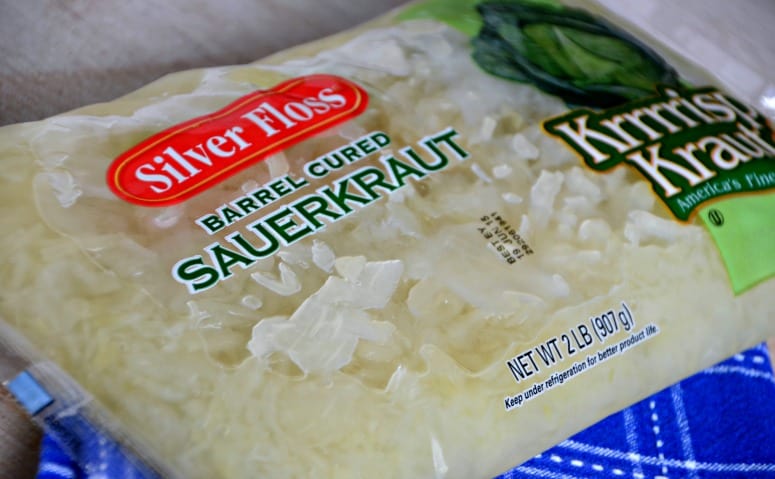
Close behind came the Empire State Pickling Company, which began operations around 1905 in Phelps itself. By 1907, this company was canning sauerkraut under what would become an iconic brand name: Silver Floss. The name evoked purity and quality, and it stuck. Silver Floss sauerkraut became synonymous with Phelps, appearing on grocery shelves across America.
The industry’s growth was explosive. By 1931, Silver Floss alone operated six large factories across the region, employing hundreds of workers and processing cabbage from farms throughout Ontario County. During harvest season, the scene was remarkable: trucks loaded with cabbage lined up at factory gates, workers in aprons and caps operated trimming stations with practiced efficiency, and enormous wooden fermentation tanks—some holding tons of shredded cabbage—filled factory floors. The distinctive, sharp-sweet smell of fermenting cabbage permeated the air for blocks around the factories, especially during peak production in late summer and fall.
This wasn’t small-scale artisanal production. These were industrial operations running multiple shifts, employing sophisticated (for the era) quality control, and shipping railroad cars full of canned and barreled sauerkraut to markets nationwide. Phelps had found its identity, and that identity smelled unmistakably of cabbage.
Peak Production: When Phelps Ruled the Sauerkraut World
By the mid-20th century, Phelps’ claim as the world’s sauerkraut capital wasn’t marketing hyperbole, it was documented fact. The concentration of production facilities, the volume of output, and the reach of brands like Silver Floss made this small Finger Lakes village the undisputed center of the sauerkraut universe.
During production season, the scent of fermentation was inescapable. It hung in the air, drifted through neighborhoods, and became as much a part of Phelps’ identity as the factories themselves. For residents, it wasn’t unpleasant, it was the smell of employment, of prosperity, of community purpose. The factories provided stable jobs for generations of families. Workers took pride in their expertise, whether they were operating canning lines, managing fermentation schedules, or coordinating the logistics of moving thousands of tons of cabbage from field to factory to freight car.
This was Phelps’ golden age, when the town’s economy and identity were inseparable from those massive fermentation tanks and the distinctive product they produced.
The Decline: When the Factories Left (1985-1994)
Economic forces and industry consolidation eventually reshaped Phelps’ sauerkraut empire. The changes came gradually, then suddenly.
By 1985, both major operations had been absorbed into larger corporate structures. The Seneca Kraut and Pickling Company and the Silver Floss operations merged under new ownership and relocated to Great Lakes Kraut Companyin nearby Shortsville, just a few miles away. The industry hadn’t disappeared from the region—the Finger Lakes’ climate and agricultural infrastructure still made it ideal for sauerkraut production—but it had left Phelps itself.
The impact on the village was profound. Factory jobs disappeared. The buildings that had defined downtown Phelps for generations stood empty. By 1994, all the original sauerkraut factories in Phelps had been either sold off or demolished. The distinctive scent of fermentation, once a year-round presence, faded from the air.
For a community that had built its identity around being the sauerkraut capital of the world, this transition was more than economic—it was existential. What was Phelps without its factories? How do you preserve an identity when the industry that created it has moved on? The answer, it turned out, was to celebrate what had been and ensure it wouldn’t be forgotten.
Preserving Heritage: The Sauerkraut Festival (1967-Present)
Interestingly, the Phelps Sauerkraut Festival didn’t begin as a response to industrial decline—it started during the industry’s height, in 1967, when the Phelps Chamber of Commerce organized a one-day program specifically to honor Silver Floss and celebrate the town’s sauerkraut heritage. The original festival was part civic pride, part marketing, and entirely genuine in its appreciation for what made Phelps special.
As the factories eventually closed, the festival’s meaning evolved. What began as a celebration of current industry became a deliberate act of historical preservation. The community made a choice: even if sauerkraut production had left Phelps, the memory and pride associated with it would remain. The festival expanded from one day to a full weekend, then to four days of activities, held annually during the first full weekend in August.
Today’s Phelps Sauerkraut Festival is a genuine community celebration that honors this industrial heritage while providing family-friendly entertainment. The event centers on Redfield Park, where a traditional fireman’s carnival features rides and games for all ages. But the sauerkraut theme runs throughout: visitors can try their hand at cabbage bowling (exactly what it sounds like—rolling heads of cabbage at pins), participate in cabbage head decorating contests, and sample sauerkraut prepared in traditional and creative ways by local vendors.
The festival also includes the Phelps Sauerkraut Weekend 5K and 20K races, recognized as among the oldest running races in the Finger Lakes region. Live entertainment, community booths, food vendors, and special events like “Kiddie Night” with discounted ride bracelets make it accessible and appealing to families. It’s not manufactured nostalgia or artificial tourism, it’s a community gathering that happens to celebrate fermented cabbage, and that authenticity is precisely what makes it work.
Visiting the Festival Today
Attending the Phelps Sauerkraut Festival offers a window into a piece of Finger Lakes history that often gets overshadowed by wine tourism. The scent of sauerkraut might no longer fill the air year-round in Phelps, but during festival weekend, it returns—wafting from food vendors serving sauerkraut hot dogs, pierogies topped with kraut, and even experimental dishes like sauerkraut pizza.
The atmosphere is small-town carnival at its best: families with young children navigating carnival rides, teenagers testing their skills at game booths, older residents sharing memories of working in the factories. Local vendors sell Silver Floss products (still produced in nearby Shortsville by Great Lakes Kraut Company), and visitors can taste the authentic sauerkraut that made Phelps famous.
The festival is free to attend, though rides and games require tickets. Parking is available near Redfield Park, and the compact village layout makes everything walkable. This isn’t a polished, corporate-sponsored event, it’s a genuine community celebration that welcomes visitors who want to understand a different side of the Finger Lakes’ agricultural heritage.
More Than Nostalgia
The Phelps Sauerkraut Festival represents something important about how communities preserve identity in the face of economic change. Phelps could have simply mourned its lost factories and faded into obscurity as just another small upstate New York village. Instead, the community chose to celebrate what made it historically significant, transforming industrial heritage into cultural tradition.
This matters because regional identity is about more than current tourism trends. It’s about honoring where a community came from, acknowledging what made it significant, and keeping that memory alive for future generations, even after the industrial era has passed. Every August, when the scent of sauerkraut returns to Phelps and families gather for cabbage bowling and carnival rides, they’re doing more than having fun. They’re ensuring that the story of the world’s sauerkraut capital doesn’t get forgotten, and that’s worth celebrating.